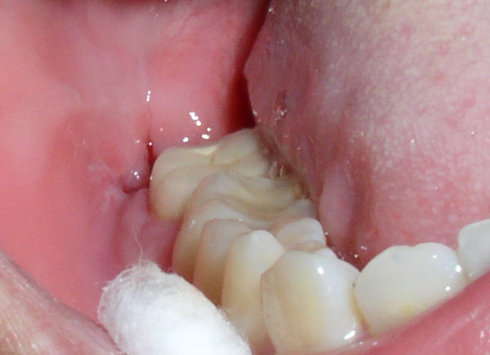
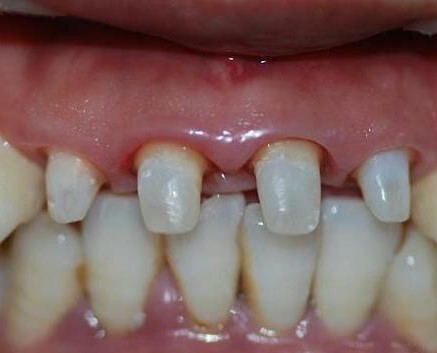

A porcelain tooth abutment is crucial for the stability and functionality of your dental crown. If the abutment becomes rotten, it’s important to take prompt action to avoid further oral health issues.
Steps to Take if the Abutment is Rotten
- Dismantle the Crown:
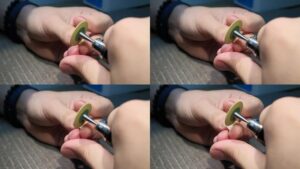
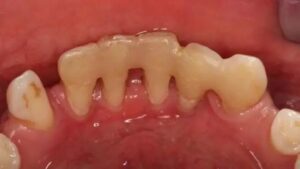
- The first step is to dismantle the crown to assess the condition of the abutment teeth.
- If the decay is not too severe, the rotten part of the tooth can be ground away and filled with resin. A new crown can then be reinstalled.
- Assess the Damage:
- If the roots are rotten and cannot be retained, it is essential to remove the tooth promptly. This prevents the spread of infection and inflammation.
- Allow the wound to heal for about 3 months before considering an implant or a new tooth.
- Prevent Further Issues:
- Delaying treatment can lead to residual dental plaque, which can stimulate gum inflammation and potentially cause apexitis.
Impact of Porcelain Tooth Material on the Abutment
Generally, the material of the porcelain tooth does not affect the abutment. Even metal crowns do not typically impact the gums. However, there are a few considerations:
- Allergic Reactions:
- Some individuals may experience allergies to certain materials, leading to red and swollen gums.
- Cobalt-chromium alloy materials might cause small deposits over time, turning the gum edges gray, but this does not necessarily mean the abutment is rotten.
- Proper Installation:
- All-ceramic teeth are designed to be in a vacuum state, ensuring a tight fit and integration with the abutment.
- Regular check-ups and maintaining good oral hygiene can ensure the longevity of your dental crowns.
Long-term Maintenance and Care
To ensure the longevity of your porcelain teeth:
- Maintain Oral Hygiene:
- Regular brushing, flossing, and using mouthwash can help prevent the buildup of dental plaque.
- Avoid biting hard foods to prevent damage to the crown and abutment.
- Regular Dental Check-ups:
- Visit your dentist at least once a year for professional cleaning and check-ups.
- If you notice any gaps, foul smells, or food debris getting stuck, it’s important to have your crown checked as these could be signs of underlying issues.
- Consider the Lifespan:
- With proper care, porcelain teeth can last for many years, often more than 10 years.
- The lifespan of your crown depends on your oral hygiene and the condition of your teeth.
- Avoid Overloading:
- Avoid connecting too many porcelain teeth together as this can put excessive pressure on the abutment teeth at both ends, leading to gaps and potential decay.
Conclusion
If the abutment of your porcelain tooth is rotten, it’s important to take prompt action to prevent further complications. Regular maintenance and good oral hygiene practices can significantly extend the life of your dental crowns. Always consult with your dentist for personalized advice and treatment.