
If you are celebrating your 70th birthday and wondering if it is too late to fix your missing teeth, we have good news: There is no upper age limit for dental restoration.
Many seniors worry that their age automatically disqualifies them from getting implants or bridges. However, dental professionals are far more interested in your health than your birth year. Whether you are missing a single tooth or need a more comprehensive solution, restoring your smile is possible—and highly recommended—provided your gums and bone structure are in good condition.
Here is what you need to know about restoring your teeth later in life.
1. It’s About Bone Health, Not Age
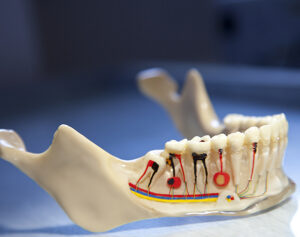
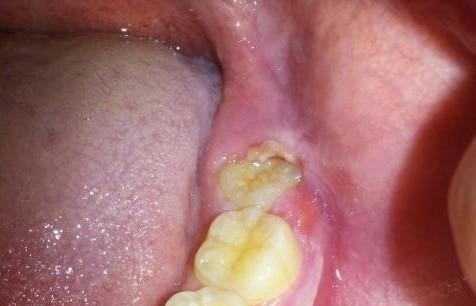
While you are not “too old,” aging does change the mouth. As we get older, we experience “physiological atrophy,” meaning our gums may recede and the jawbone may shrink.
Before moving forward, your dentist will check two main things:
- The Alveolar Bone: Is there enough bone height and width to support a tooth?
- Gum Health: Are the gums healthy enough to heal properly?
If you have experienced gum recession or bone loss, it doesn’t mean you can’t have teeth inserted; it just means we have to choose the right type of restoration for your specific anatomy.
2. Why Timing Matters: Don’t Wait Too Long
A common question patients ask is, “How long can I wait to replace a tooth after losing it?”
The answer is: Sooner is better.
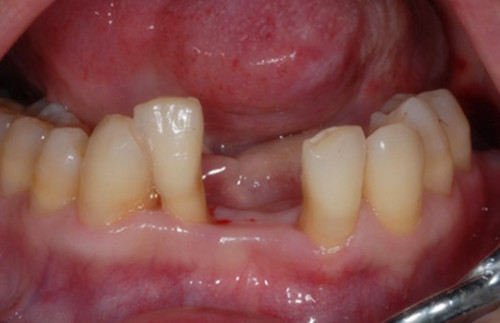
When a tooth is missing for a long time, two things happen:
- The bone absorbs: Without a tooth root to stimulate it, the jawbone melts away (atrophies).
- The specific “drift”: The adjacent teeth (the ones next to the gap) will start to tilt or shift into the empty space.
If your teeth have already tilted, they must be corrected or pulled back to their normal position before we can add a new tooth. If the space has become too narrow or the bone too thin, our options become more limited.
3. Comparing Your Options: Dentures, Bridges, and Implants
Depending on your physical condition and the state of your remaining teeth, there are a few ways to restore your smile.
Option A: Removable Partial Dentures (“Movable Teeth”)
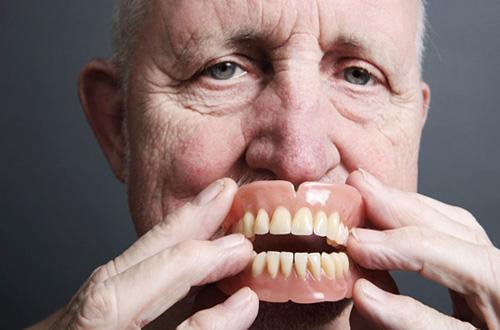
For many seniors, this is a convenient option. These often utilize a resin or “rubber” base that rests on the gums, sometimes with metal clasps.
- Pros: Easier to clean and remove; generally more affordable.
- Cons: They can feel less stable and may fall off if the fit isn’t perfect. If you have gum recession, “rubber” brackets are softer on the tissue. If your teeth are strong, steel brackets are more durable.
- Lifespan: These generally need to be replaced or relined every 5 years.
Option B: Porcelain Bridges
A bridge fixes a fake tooth between two healthy teeth.
- Pros: It is fixed in place (doesn’t come out) and feels more like a natural tooth.
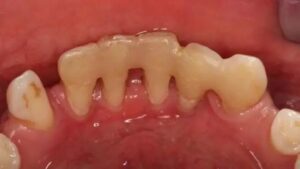
- Cons: This is a major consideration for seniors. To place a bridge, we must grind down the healthy enamel of the two neighboring teeth to use them as anchors. As the text notes, “70-year-old teeth are very precious.” Sacrificing healthy enamel on good teeth is a big decision.
- Hygiene Note: Bridges are prone to trapping food residues in the gaps, which can inflame the gums. If you choose this option, using a dental water flosser is highly recommended to flush out dirt from under the crown.
Option C: Dental Implants
While the terminology can vary, a true implant replaces the root of the tooth.
- Pros: It preserves the jawbone and does not require damaging the neighboring teeth.
- Materials: The best restorations are often made of Zirconia (All-Ceramic). This material is incredibly hard, suitable for back teeth (molars) that do heavy chewing, and looks very natural.
4. The Cost Factor
It is important to be realistic about pricing. Dental restoration prices vary significantly between hospitals and private clinics, and higher service levels generally correlate with higher costs.
- Entry Level: Movable dentures are generally the most affordable option (ranging in the hundreds).
- Premium Level: Imported Zirconia bridges or implants are significantly more expensive (ranging in the thousands). Domestic materials may be cheaper and chew just as well, though the aesthetic appearance might be slightly inferior to imported materials.
Important Insurance Note: In most cases, dental implants and cosmetic restorations are not covered by standard medical insurance and cannot be reimbursed. You should view this as a personal investment in your quality of life.
The Bottom Line
Good technology and high-quality materials can ensure your new teeth last a long time, but maintenance is key. Regular inspections are just as important as the material you choose.
Don’t let the number 70 stop you. Whether you choose a high-end zirconium implant or a practical removable denture, the goal is to help you eat, speak, and smile with confidence. Schedule a consultation to see which method suits your periodontal health best.