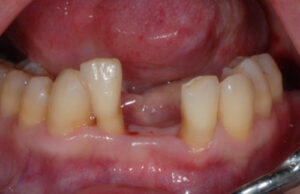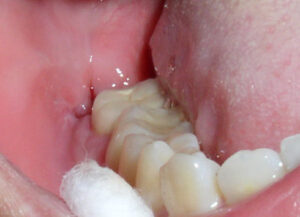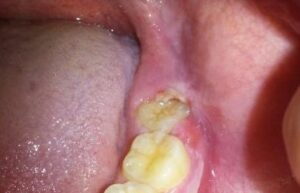
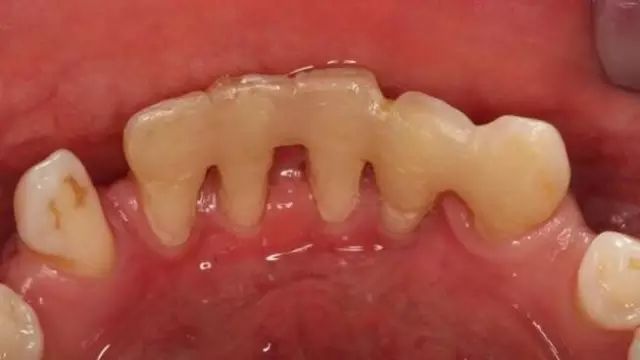

Dental calculus, which carries a large number of pathogenic bacteria, can stimulate periodontal tissues and cause acute inflammation. This often results in swelling of the gingival papilla, abnormal gum sensitivity, and bleeding. The accumulation of plaque increases toxin secretion, leading to a poor oral environment. Neglecting regular brushing and teeth cleaning can result in the spread of tartar crumbs to the gums, exacerbating the condition.
How to Treat Periodontitis
Step 1: Diagnosis To effectively treat periodontitis, it’s crucial to first assess the degree of inflammation. A handheld dental X-ray is an essential tool for this purpose. This portable device allows for easy and efficient diagnostic imaging, helping to capture the extent of the problem with precision. Using the handheld dental X-ray, dentists can get a clear view of the condition of your teeth and gums.
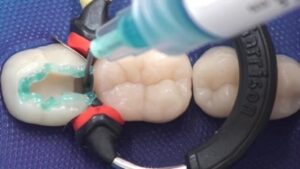
Step 2: Mild Cases For mild cases of periodontitis, basic periodontal treatments such as ultrasonic cleaning are often sufficient. This process shatters the calculus attached to the tooth surface. After the inflammation improves, the depth of the periodontal pockets is measured. For deeper pockets, local anesthesia may be used to scrape off dental calculus from the root of the tooth. Initial control of gingival recession is vital, and patients must learn to brush vertically and floss regularly.
Step 3: Moderate to Severe Cases For more advanced stages of periodontitis, where the periodontal pockets do not disappear, more intensive treatment is required. Periodontal flap surgery is often necessary to remove diseased tissue. In cases where the alveolar bone is seriously resorbed and teeth are loose, measures must be taken to stabilize the teeth and prevent them from falling out. Third-degree loose teeth may need to be extracted. Recovery from such procedures can be slower, emphasizing the need for proper oral hygiene and regular dental check-ups.
Key Considerations During Treatment
Regular Cleaning: It is normal and recommended to have your teeth cleaned once a year. However, patients with periodontitis may need to wash their teeth twice a year. The frequency of cleaning can vary depending on the individual’s condition.
Lifestyle Adjustments: Improving oral hygiene is crucial after periodontal treatment. Avoid being lazy about oral care, and try to maintain a regular schedule for brushing and flossing. A light diet is recommended, and smoking should be avoided as tobacco substances can stimulate gum tissue. Quitting smoking can significantly improve treatment outcomes.
Special Considerations: Periodontitis during pregnancy can be particularly challenging due to hormonal changes. Using a mouthwash containing chlorhexidine can help reduce inflammation and bacteria.
Orthodontics: If you are considering orthodontics, it is important to ensure that there is no inflammation and that any bone atrophy is minimal. Otherwise, orthodontic treatment could worsen tooth loosening or even lead to tooth loss.
Final Thought
Maintaining good oral hygiene is essential for preventing and treating periodontitis. Regular brushing, flossing, and rinsing your mouth after meals to remove food residues are key practices. With proper oral hygiene and regular dental check-ups, periodontitis can be effectively managed and healed.