
Many people want a brighter smile, but not everything advertised actually whitens teeth. Healthy teeth are naturally a pale yellow shade—this comes from the dentin (the layer under the enamel) showing through the semi-transparent enamel. No amount of regular brushing will turn them pure white like paper. Brushing removes some surface stains, but it doesn’t change the tooth’s natural color.
What Easily Whitens Teeth?
The most effective and easiest options for noticeable whitening are professional treatments done by a dentist. These use safe bleaching agents (like hydrogen peroxide) to lighten both surface and deeper stains.
Popular professional methods include:
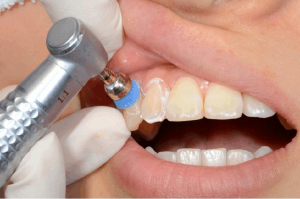
- In-office whitening (often called cold light or laser/LED-activated whitening): A dentist applies a strong gel and uses light to speed up the process. It takes about 60–90 minutes in one visit. Results can lighten teeth by several shades quickly.
- Dentist-supervised take-home kits: Custom trays fitted to your teeth plus professional-strength gel. You wear them at home for 1–2 weeks.
In Toronto (Canada), professional in-office whitening typically costs $250–$800 CAD per session, depending on the clinic, method (e.g., Zoom or similar), and your starting tooth shade. Take-home kits from a dentist often range from $250–$500 CAD. Always check with your local dentist for exact pricing, as costs vary.
These methods work well for most people and last 1–2 years with good care (avoiding heavy staining foods/drinks and maintaining oral hygiene).
Can Baking Soda Whiten Teeth?
Baking soda (sodium bicarbonate) is a mild abrasive found in many whitening toothpastes. According to studies and the American Dental Association (ADA), baking soda-based toothpastes are safe and effective for removing surface stains (like from coffee, tea, or smoking). It can make teeth look cleaner and slightly brighter by polishing away stains.
However:
- It only removes exogenous (external) stains—not deeper internal discoloration.
- It won’t dramatically whiten teeth beyond their natural shade.
- Using pure baking soda too often or roughly can wear down enamel over time, so stick to ADA-approved toothpastes that contain it (not raw powder every day).
It’s a good, easy, low-cost option for mild stain removal, but not true “whitening” like professional bleaching.
What About Teeth Scaling (Professional Cleaning)?
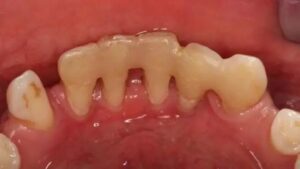
Teeth scaling (also called scaling and polishing or deep cleaning) removes plaque, tartar (calculus), and some surface stains using special tools. It makes teeth feel smoother and look cleaner—especially if you had buildup or dark stains from tartar.
But scaling is not a whitening treatment. Its main purpose is to:
- Prevent and treat gum disease (periodontitis).
- Keep gums and teeth healthy.
After scaling, teeth may appear brighter because stains and yellow tartar are gone, revealing the original tooth color. Polishing smooths the surface to reduce future plaque buildup. However, it doesn’t bleach or change the tooth’s natural light yellow tone.
Other Ways to Whiten Teeth
For stubborn or internal stains (like from fluorosis, tetracycline antibiotics, aging, or trauma):
- Professional bleaching: Best for changing internal color. It may cause temporary sensitivity or soreness right after, but results are often dramatic.
- Porcelain veneers: A thin layer of porcelain covers the front of teeth to hide discoloration (e.g., yellow or brown teeth). A small amount of enamel is removed—less than for full crowns. This is more permanent and cosmetic.
Avoid overusing all-ceramic crowns just for whitening—they require removing a lot of healthy enamel and are mainly for damaged or missing teeth, not color improvement.
Important Tips
- Healthy teeth don’t need to be extremely white. As we age, teeth naturally get yellower—that’s normal.
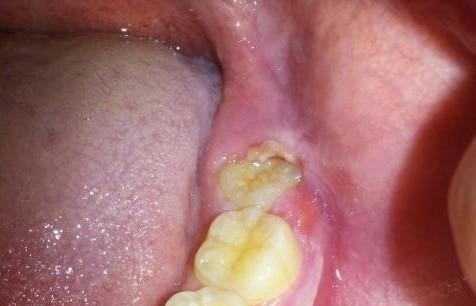
- Brush twice daily, floss, and rinse after meals to prevent stains. Use dental floss or water to clean hard-to-reach spots like around wisdom teeth.
- Over-the-counter whitening strips or gels can help mildly, but professional options are safer and more effective.
- Always consult a dentist before trying whitening—especially if you have sensitive teeth, fillings, crowns, or gum issues.
A brighter smile starts with good habits and professional advice. If you’re unhappy with your tooth color, talk to your dentist—they can recommend the safest, best option for you!