

Professional Guide: Dental Prophylaxis (Scaling and Professional Cleaning) – Key Aspects for Dentists and Patient Education
Dental health maintenance encompasses three core pillars: personal oral hygiene, professional care, and community/public health initiatives. Professional prophylaxis—commonly termed scaling (or scaling and polishing)—forms a cornerstone of professional preventive care.
Why Is Professional Cleaning Essential?
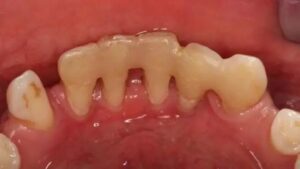
Daily brushing and rinsing effectively remove soft plaque but cannot eliminate calculus (tartar) or deeply adherent biofilm in all areas. Calculus serves as a primary etiological factor in gingivitis and contributes to progression toward periodontitis. Additionally, persistent supragingival and subgingival plaque drives caries and periodontal disease initiation and progression.
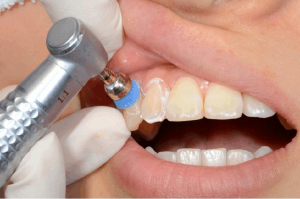
Professional scaling removes calculus, plaque, and stains, reducing microbial load and inflammation—making it indispensable for long-term oral health preservation.
Recommended Recall Intervals
- For periodontally healthy or low-risk patients: every 6–12 months.
- For patients with established periodontal disease (e.g., gingivitis or mild–moderate periodontitis): every 3–6 months, depending on risk profile, plaque control, and response to therapy.
Tailor intervals based on individual risk assessment (e.g., smoking status, diabetes, compliance, probing depths, bleeding on probing).
Post-Prophylaxis Patient Instructions – What to Expect and How to Manage
Patients often experience transient changes after scaling. Clear, evidence-based instructions improve compliance and outcomes.
- Tooth Sensitivity Exposure of root surfaces and temporary dentin tubule opening commonly cause heightened sensitivity to temperature, sweets, or air. Symptoms typically peak in the first few days and resolve within 1–2 weeks.
- Recommend desensitizing toothpaste (e.g., containing potassium nitrate or stannous fluoride) applied twice daily; patients may rub a pea-sized amount directly on sensitive areas and avoid rinsing for better efficacy.
- Advise avoiding extreme temperatures or acidic foods/drinks initially.
- Minor Gingival Bleeding A small amount of blood in saliva (pink tinge) is normal for 24–48 hours as inflamed tissues heal and re-epithelialize.
- Instruct patients not to rinse vigorously or spit forcefully on the day of treatment to preserve the initial clot.
- Advise avoiding alcohol, very hot foods/beverages, and excessively hot showers/baths for 24 hours to minimize vasodilation and bleeding risk.
- When to Seek Immediate Follow-Up Persistent severe gingival pain, profuse bleeding, large blood clots in saliva, swelling, or fever warrant prompt reevaluation—possible localized infection, incomplete hemostasis, or rare complication.
- Ongoing Oral Hygiene Reinforcement Emphasize that prophylaxis is not a substitute for daily care—plaque reforms rapidly without consistent home hygiene. Reinforce proper technique to prevent rapid re-accumulation of calculus.
Recommended Brushing Technique: Modified Bass Method
This sulcular brushing technique is widely endorsed (ADA, periodontal literature) for effective plaque removal at the gingival margin and in the sulcus.
- Select a soft-bristled toothbrush.
- Position bristles at a 45° angle to the long axis of the tooth, with tips directed gently into the gingival sulcus.
- Apply light pressure and perform short, gentle vibratory (back-and-forth) or small circular strokes—focus on the gum-tooth junction.
- Brush in an arc-like sweeping motion from the gingival margin toward the occlusal/incisal edge to dislodge debris coronally.
- For anterior lingual surfaces: Hold the brush vertically; use short up-and-down strokes (downward for upper, upward for lower).
- Clean occlusal surfaces with vertical/scrubbing motions.
- Finish by gently brushing the tongue from back to front to reduce bacterial load and improve breath.
Brush twice daily for 2 minutes, covering all surfaces systematically (outer, inner, chewing). Supplement with interdental cleaning (floss, interdental brushes) as indicated.
Closing Message for Patients
Regular professional maintenance after prophylaxis is critical to sustaining periodontal stability and preventing disease recurrence. Schedule follow-up appointments as recommended, adhere to home care protocols, and report any concerns promptly.
By educating patients thoroughly on the value of prophylaxis and reinforcing effective hygiene, we support optimal long-term oral health outcomes.
Useful dentistry ultrasonic scaling tips and handpiece reference for dentist.
Dental Air Scaler Handpiece Sonic
https://www.dentallaboratorio.com/product/dental-air-scaler-handpiece/
Ultrasonic Scaler Tips For EMS,Woodpecter
https://www.dentallaboratorio.com/product/ultrasonic-scaler-tips/
Sirona Scaler Tips
https://www.dentallaboratorio.com/product/sirona-scaler-tips/
Kavo scaler tips
https://www.dentallaboratorio.com/product/kavo-scaler-tips-wholesale/
Amdent scaler tips
https://www.dentallaboratorio.com/product/amdent-scaler-tips/