
Many people worry that professional teeth cleaning—also called scaling—might damage their teeth. Let’s clear up the confusion with straightforward, science-based facts.
Does Scaling Harm Your Teeth?
No, scaling is safe and does not meaningfully damage healthy teeth.
During scaling, a dental professional uses an ultrasonic scaler to gently vibrate and remove hardened plaque (called calculus or tartar). This process may leave microscopic scratches on the tooth surface, but these are extremely shallow—far smaller than everyday wear from chewing or brushing.
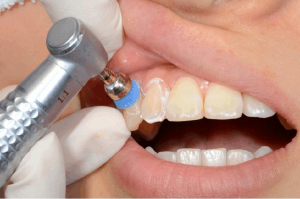
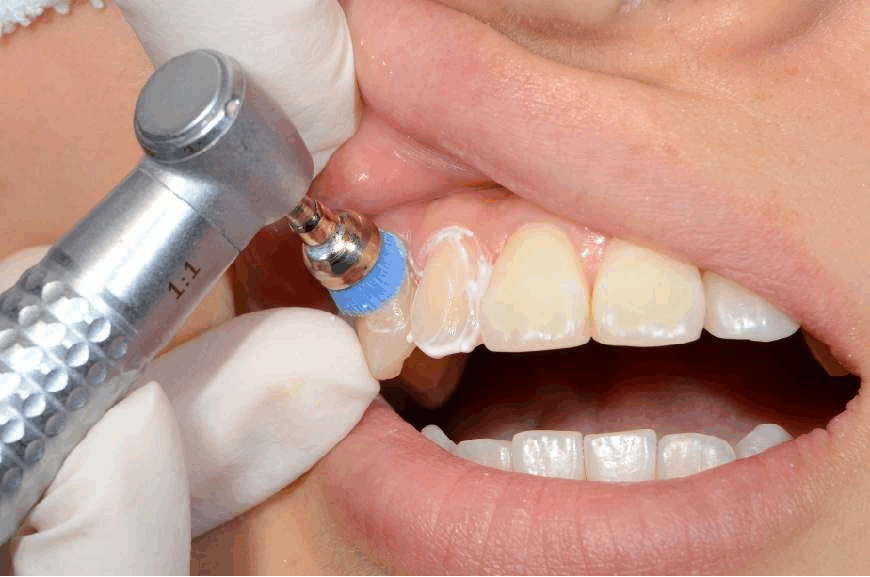
After scaling, your dentist or hygienist will polish your teeth. This smooths the surface just like regular brushing does, restoring its natural feel. For surface stains from coffee, tea, or smoking, an air-polishing (sometimes called “sandblasting”) treatment may be used. While this causes slightly more surface interaction than standard scaling, it remains safe when performed by a professional and does not harm enamel.
Can Daily Brushing Replace Professional Scaling?
Brushing is essential—but it can’t replace scaling. Here’s why:
- Brushing has limits.
Even with careful twice-daily brushing, toothbrush bristles can’t reach deep grooves, tight gaps between teeth, or areas below the gumline. Food particles and plaque collect in these hidden spots, eventually hardening into calculus. Once calculus forms, no amount of brushing can remove it—it must be professionally scaled away. - Brushing too hard causes harm.
Vigorous brushing won’t remove calculus and may actually damage gums, causing recession and sensitivity. Healthy gums shouldn’t bleed during brushing—if they do, it’s often a sign of inflammation that scaling can help resolve. - Morning and evening brushing serve different purposes.
- Morning brushing removes plaque that built up overnight. Bacteria in this plaque produce acids that can erode tooth enamel, especially near the gumline.
- Evening brushing clears away food debris and plaque accumulated throughout the day.
Together, twice-daily brushing removes most soft plaque—but not hardened calculus. That’s why professional scaling once or twice a year remains essential for preventing gum disease.
Why Remove Calculus? It’s More Than Just “Dirt”
Calculus isn’t just unsightly—it’s a health risk:
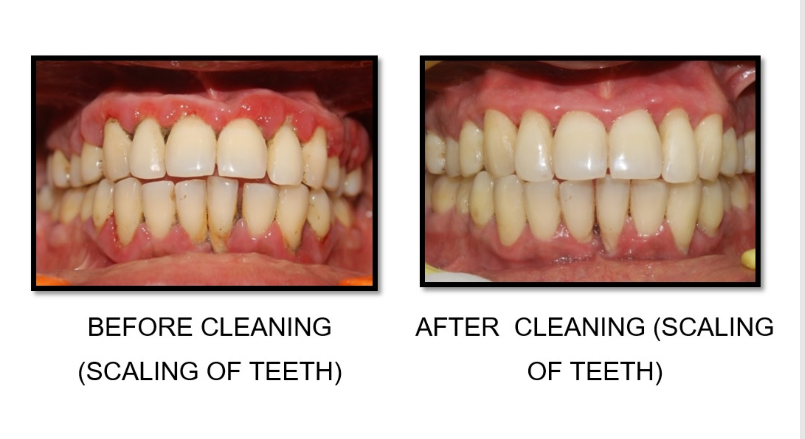
- It’s packed with harmful bacteria that irritate gums, causing redness, swelling, and bleeding (gingivitis).
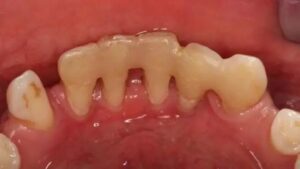
- If untreated, this inflammation can destroy the bone supporting your teeth (periodontitis), leading to loose teeth or even tooth loss.
- Replacing lost teeth with implants or dentures is costly—often thousands of dollars per tooth—and doesn’t fully replicate natural teeth.
Scaling removes this bacterial buildup at the source. For mild cases, a standard cleaning suffices. For deeper gum pockets (common in periodontitis), your dentist may perform subgingival scaling—a deeper cleaning below the gumline—to fully eliminate hidden calculus. In some cases, antimicrobial rinses (like chlorhexidine) support healing after scaling.
The Bottom Line: Benefits Far Outweigh Risks
Professional scaling is a gentle, preventive treatment—not a damaging procedure. The minor, temporary surface changes it causes are negligible compared to the serious harm calculus can inflict on your gums and bone.
Think of it this way:
✅ Daily brushing = your daily defense against new plaque
✅ Yearly scaling = your deep clean to remove what brushing can’t reach
Don’t let fear keep you from this simple, effective treatment. Early scaling helps reverse early gum inflammation and protects your smile for life. When done by a qualified dental professional, scaling is safe, comfortable, and one of the best investments you can make in your oral health.