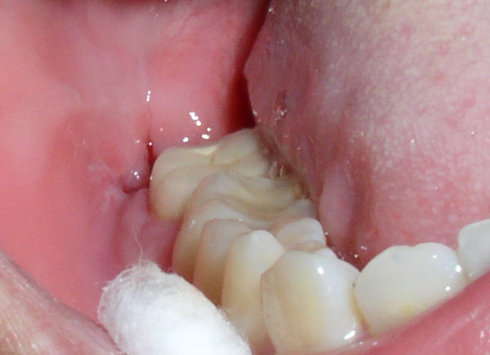
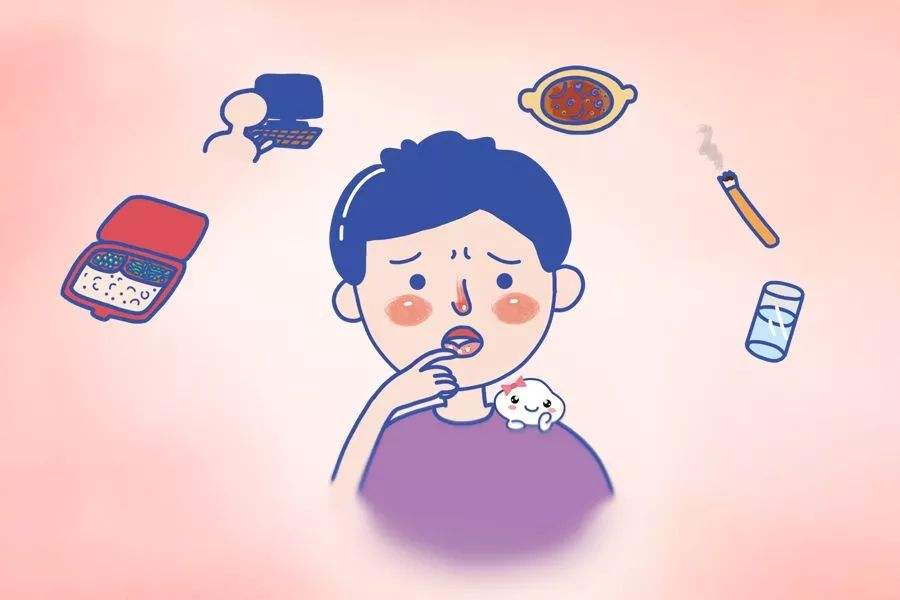

Recurrent oral ulcers, commonly known as canker sores or recurrent aphthous stomatitis (RAS), are a frequent and painful condition affecting many people. Most minor cases heal spontaneously within 7–10 days, though the exact cause remains unclear and is considered multifactorial. These ulcers can appear anywhere on the non-keratinized oral mucosa, such as the inner cheeks, lips, tongue, or floor of the mouth. They may occur singly or in clusters, sometimes covering a larger area, and are often accompanied by severe pain that interferes with eating and speaking. While over-the-counter medications can help relieve symptoms and shorten recovery time, recurrent ulcers are difficult to fully cure. If an ulcer persists for more than two weeks, it is essential to consult a specialist in oral medicine or mucosal diseases for proper evaluation to rule out underlying issues.
Factors Contributing to Recurrent Oral Ulcers
Several predisposing factors increase the likelihood of recurrent episodes:
- Weakened or dysregulated immune system — An impaired immune response makes it easier for infections or inflammation to develop, leading to periodic outbreaks.
- Genetic predisposition — A family history of recurrent ulcers significantly raises the risk, as RAS often runs in families.
- Lifestyle factors — Chronic fatigue from staying up late, physical exhaustion, or high mental stress commonly triggers episodes.
- Nutritional deficiencies — Low levels of trace elements like iron or zinc, or deficiencies in vitamins (particularly B vitamins and vitamin C), can slow healing and promote ulcer formation or deepen inflammation.
- Hormonal fluctuations — Changes during menstruation, pregnancy, or other hormonal shifts make ulcers more likely and harder to heal.
Other potential triggers include local trauma (e.g., cheek biting), certain foods, or sensitivities to ingredients like sodium lauryl sulfate in toothpaste.
Dental Treatment Plan for Recurrent Oral Ulcers
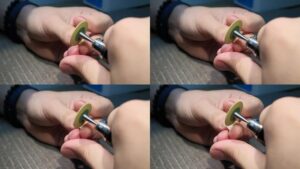
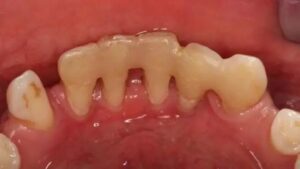
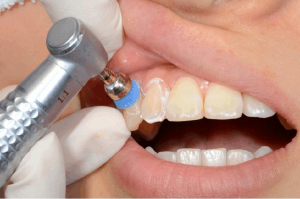
Dentists play a key role in managing recurrent oral ulcers, particularly when episodes are frequent or severe. A comprehensive treatment plan usually starts with a thorough oral examination to identify contributing factors—such as sharp teeth, ill-fitting restorations, or poor oral hygiene—that can be corrected to minimize trauma. Dentists may recommend nutritional supplements when deficiencies are suspected, prescribe appropriate topical or systemic medications, and offer expert guidance on lifestyle adjustments. In clinical settings, precise application of topical treatments is essential for optimal results. Dentists often select a low-speed dental handpiece equipped with a suitable applicator tip or brush to gently and accurately deliver protective gels, corticosteroid pastes, or barrier-forming agents directly to the ulcer site. Another low-speed dental handpiece option may be chosen depending on the viscosity of the material or the specific area being treated. This technique ensures even coverage, reduces patient discomfort during application, and improves adhesion while effectively isolating the lesion from further bacterial invasion or irritation.
Treatment Methods for Recurrent Oral Ulcers
Treatment focuses on pain relief, reducing inflammation, promoting faster healing, and preventing secondary infection. Common approaches include:
- Topical corticosteroids — Such as dexamethasone (applied as a gel, paste, or rinse) to reduce inflammation and accelerate healing.
- Antiseptic or antimicrobial agents — Cidiiodine buccal tablets release iodine for rapid sterilization and pain relief on the ulcer surface.
- Protective and regenerative gels — Products containing hyaluronic acid, aloe vera essence, and carbomer (e.g., mucosal care gels) provide anti-inflammatory and analgesic effects, promote tissue regeneration, and form a physical barrier against bacteria.
- Vitamin supplementation — Crushing vitamin B complex or vitamin C tablets into powder and applying it directly to the ulcer can support mucosal repair.
- Natural remedies — Soaking dandelion root in water for tea to help clear heat, detoxify, and reduce swelling/pain; applying honey for its antibacterial and soothing properties (effective for milder cases).
- Supportive measures — Over-the-counter pain relievers, mouth rinses (e.g., chlorhexidine), and avoiding irritants.
To reduce recurrence, adopt a light diet (avoiding spicy, acidic, or rough foods), maintain regular exercise, ensure consistent sleep and rest patterns, and strengthen overall immunity through balanced nutrition and stress management. While these steps help control symptoms, persistent or severe cases warrant professional dental or medical evaluation for tailored long-term management.