
If you’ve woken up with sudden jaw pain, swollen gums at the back of your mouth, or difficulty opening your mouth fully, you may be experiencing pericoronitis—a common inflammatory condition affecting partially erupted wisdom teeth. Here’s what you need to know about this painful issue, its complications, and your treatment options.
Why Wisdom Teeth Are Prone to Inflammation
Wisdom teeth (third molars) typically emerge between ages 17–25 in a crowded space at the very back of the mouth. This location creates three key problems:
- Hard-to-clean positioning: Food particles and bacteria easily accumulate around partially erupted teeth.
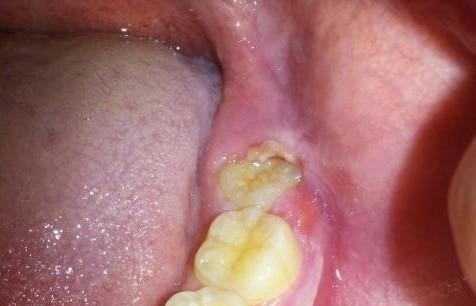
- “Blind pockets”: When a wisdom tooth erupts at an angle or only partially breaks through the gum, it creates a flap of tissue where debris gets trapped—a perfect breeding ground for bacteria.
- Pressure on neighboring teeth: Impacted or crooked wisdom teeth often press sideways against the second molar, causing pain, food impaction, and even decay in both teeth.
When your immune system is temporarily weakened—due to stress, illness, or fatigue—these trapped bacteria can trigger sudden, painful inflammation.
Recognizing the Symptoms: More Than Just a Toothache
Pericoronitis doesn’t just cause localized pain. Watch for these signs:
- 🔴 Swollen, tender gums around the wisdom tooth area
- 💧 Pus discharge and persistent bad breath or a foul taste
- 😖 Trismus (limited jaw opening)—making eating, talking, or brushing difficult
- 😣 Facial swelling that may extend to the cheek or neck
- 🩸 Bleeding gums or oral ulcers if the opposing tooth bites into inflamed tissue
- 🌡️ Fever or general malaise in severe cases
Important: If swelling spreads to your neck, throat, or under your tongue—or you have trouble breathing or swallowing—seek emergency care immediately. These may indicate a spreading infection requiring urgent treatment.
Temporary Relief vs. Long-Term Solutions
During an acute flare-up, your dentist may recommend:
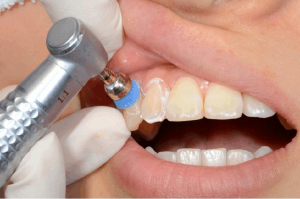
- Professional cleaning of the affected area to remove debris from blind pockets
- Antibiotics (like metronidazole) if infection is present
- Pain management with anti-inflammatories (e.g., ibuprofen)
- Saltwater rinses or antimicrobial mouthwashes to reduce bacteria
- Cold compresses applied externally to reduce swelling
⚠️ Crucial note: These measures address the symptoms—not the underlying cause. Without addressing the impacted tooth itself, pericoronitis often returns, sometimes more severely. Many patients experience “middle-of-the-night” pain episodes when inflammation suddenly flares.
“My Wisdom Teeth Aren’t Painful Now—Do I Still Need Removal?”
This is one of the most common questions patients ask. Here’s what dental research shows:
Partially erupted or crooked wisdom teeth often follow a predictable pattern:
- They may seem “fine” for months or years (the “incubation period”)
- A trigger—spicy food, illness, stress—causes the first painful episode
- With each recurrence, inflammation becomes more frequent and severe
- Bacteria gradually damage not only the wisdom tooth but also the adjacent second molar
- Eventually, both teeth may develop cavities, infections, or require root canals
The reality: Waiting until pain becomes unbearable often means:
- You must first treat active infection before extraction (delaying resolution)
- Surrounding teeth may already be compromised
- Healing after extraction can be more complicated when infection is present
Dentists generally recommend preventive removal of problematic wisdom teeth before they cause repeated infections—especially when X-rays show impaction, crowding, or difficult-to-clean positioning.
When Extraction Isn’t Necessary
Not all wisdom teeth require removal. If yours are:
- Fully erupted
- Properly aligned
- Easily cleaned with regular brushing/flossing
- Not causing pain or crowding
…they may be monitored during routine checkups. However, if inflammation has already occurred, even once, extraction is often the most reliable long-term solution.
Your Action Plan
- During acute pain: See a dentist promptly—don’t wait for symptoms to “go away on their own.”
- After inflammation subsides: Discuss extraction timing with your dentist. Most prefer to remove teeth when gums are healthy (not actively infected).
- Prevention: If X-rays show problematic positioning before symptoms appear, consider early removal—typically easier in younger patients with less dense jawbone.
Final Thought
Think of a problematic wisdom tooth not as a “wait-and-see” situation, but as a predictable risk. Like removing a splinter before it festers, early intervention often means less pain, fewer complications, and better long-term oral health.
Disclaimer: This article provides general educational information and is not a substitute for professional dental advice. Always consult a licensed dentist or oral surgeon for diagnosis and treatment tailored to your specific situation.
— Your oral health partner 💙