
If you’ve been told you need a filling—or heard that some dental work requires multiple visits—you might be wondering: Will I need to come back again and again? Let’s clear up the confusion with a gentle, step-by-step explanation of what really happens during a filling procedure—and when additional appointments may be necessary.
Not All Cavities Are the Same: Why Treatment Varies
Your tooth has layers—like an onion:
- Enamel: The hard, outer shell
- Dentin: The softer layer beneath enamel
- Pulp: The innermost core containing nerves and blood vessels
Simple fillings (usually completed in one visit) treat decay that hasn’t reached the pulp:
- Shallow cavities: Only enamel is affected. The dentist removes the decayed area and fills it immediately.
- Medium cavities: Decay reaches the dentin but not the pulp. After cleaning, the tooth is filled—though you might feel brief sensitivity afterward as the tooth adjusts. This typically resolves within days to weeks.
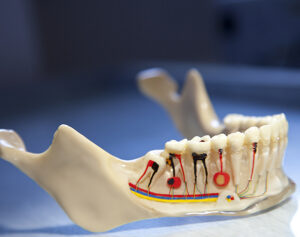
Root canal treatment (requiring 2–4 visits) becomes necessary only when bacteria infect the pulp, causing inflammation or infection (pulpitis). This isn’t a “filling”—it’s a separate procedure to save a tooth when the nerve is compromised.
What Happens During a Typical Filling? (One Visit)
For most cavities, here’s what you can expect:
- Numbing: Local anesthesia ensures comfort (you’ll feel pressure but no pain).
- Cleaning: The dentist gently removes decayed tissue using a drill or air abrasion tool.
- Rinsing & Inspection: The area is cleaned and checked to ensure all decay is gone.
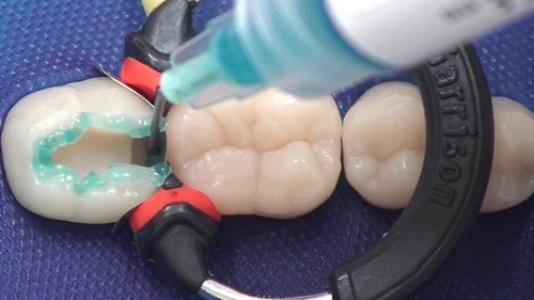
- Filling: Tooth-colored composite resin is placed in layers.
- Shaping & Hardening: Each layer is cured with a bright blue light to harden it instantly. The dentist then sculpts the filling to match your natural tooth shape.
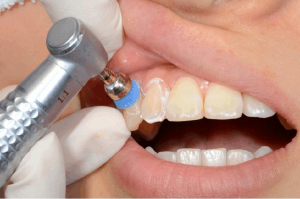
- Polishing: The surface is smoothed for comfort and a natural look.
You’ll leave with a fully restored tooth—no return visit needed for the filling itself.
Special Cases: Deep Cavities & Sensitivity
When decay comes close to the pulp (deep cavity), extra care is taken:
- A protective liner (like calcium hydroxide or glass ionomer) is placed over the dentin before the filling. This “cushions” the nerve and reduces sensitivity.
- Mild soreness for a few days is normal—especially with biting pressure. Over-the-counter pain relievers and avoiding very hot/cold foods for 24–48 hours usually helps.
- If sensitivity persists beyond two weeks, contact your dentist. They may recommend a desensitizing toothpaste (containing potassium nitrate or stannous fluoride) to help calm nerve endings—but always consult them first before starting any new product.
What If the Pulp Is Exposed During Treatment?
Sometimes, despite careful planning (including X-rays), a tiny pulp exposure is discovered when removing deep decay. Here’s how dentists handle it:
- If the pulp looks healthy (no infection, no spontaneous pain): A special medicated dressing may be placed to encourage healing (“pulp capping”). The tooth is then filled and monitored. Many teeth heal successfully this way.
- If the pulp is inflamed or infected: Root canal treatment becomes necessary to remove the damaged tissue and save the tooth. This requires multiple appointments for cleaning, disinfecting, and sealing the root canals.
💡 Important note: Even successful pulp capping carries a small long-term risk of future inflammation. If pain develops months or years later, root canal treatment may then be needed. This isn’t a “failed” filling—it’s your body’s response to prior deep decay.
Why “Multiple Visits” Usually Means Root Canal—Not Fillings
You may have heard about “multiple repairs” and worried your simple cavity would require several appointments. In reality:
✅ Standard fillings = One appointment (30–60 minutes)
✅ Root canal treatment = Typically 2–4 appointments over 1–3 weeks
If your dentist recommends multiple visits upfront, they’re likely planning for root canal therapy—not a routine filling. Always ask: “Is this a standard filling, or are we discussing root canal treatment?” A good dentist will explain exactly why multiple visits are needed.
Final Reassurance
Most cavities are caught early and treated comfortably in a single visit. Modern materials and techniques make fillings durable, natural-looking, and minimally invasive. If your case is more complex, your dentist will guide you through each step with care—prioritizing both your comfort and your tooth’s long-term health.
Your role? Keep regular checkups so cavities are found early—when one simple visit is all it takes.
Always discuss your specific situation with your dentist. This article provides general education and isn’t a substitute for personalized dental advice.