
As we age, many of us worry about losing our teeth. A common question we hear is: “Is losing my teeth an inevitable part of getting old?”
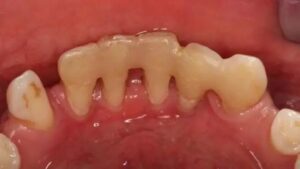
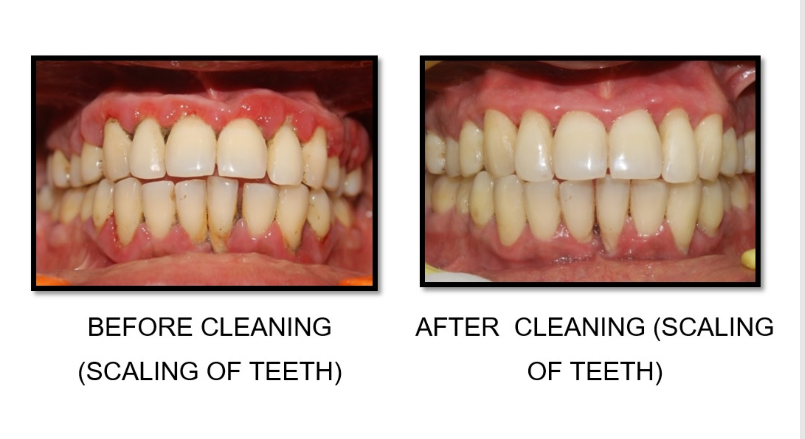
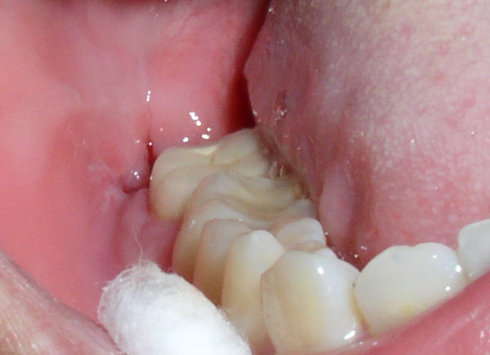
The truth is, this is a misunderstanding. The primary cause of tooth loss is actually chronic periodontitis, not age itself. As the oral environment changes, calculus (tartar) can build up and stimulate the gums, leading to pathological atrophy. If you do not have your teeth cleaned professionally for a long time, the natural alveolar bone will be absorbed, causing teeth to loosen. Inflammation gradually worsens, leading to partial or total tooth loss. However, for those who maintain good daily oral hygiene, periodontal health can often be preserved, and teeth can last a lifetime. While some physiological atrophy (receding gums) is normal and the roots may become more exposed, the teeth themselves should not fall out. If your gums have receded, the condition is irreversible, so do not delay treatment. If you have periodontitis, controlling it is key to avoiding tooth loss; using products like Kin gellan mouthwash can help reduce inflammation and bacteria.
How Modern Restorations Are Made
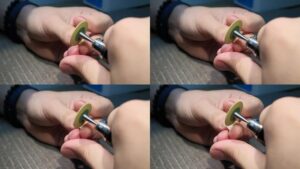
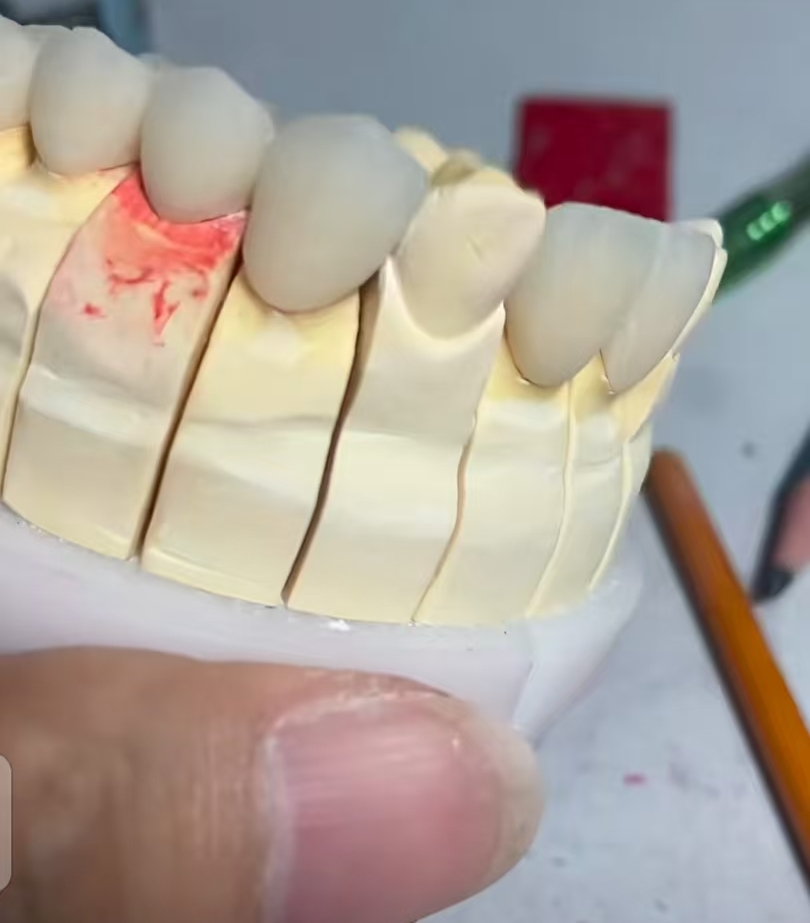
If you do require a restoration, it helps to understand the technology involved. When we talk about high-quality solutions like customized titanium abutments and ceramic crowns, these are fabricated outside the dental office in a specialized laboratory. Your dentist will first capture a digital scan of your oral structure and share this data with the dental lab. There, skilled technicians use advanced manufacturing processes involving a variety of CAD/CAM materials. They utilize specific equipment and milling burs to shape different substances based on your needs. For instance, they might use a durable titanium block to mill a customized abutment that fits your implant precisely. For the visible crown, they select from high-quality CAD/CAM materials such as Zirconia, lithium disilicates, or PMMA. By relying on these sophisticated CAD/CAM materials, technicians ensure your restoration is both strong and aesthetically pleasing.
Options for Fixing Dentures
If you have lost some teeth, what are your options?
1. Half-Denture (Removable Partial Denture)
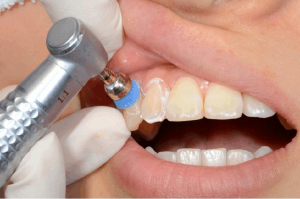
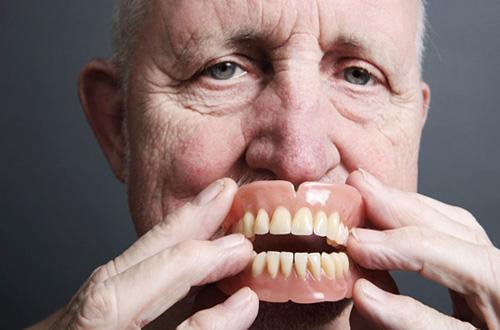
A cost-effective starting point is the half-denture. The process begins with checking your periodontal condition. We must first clean the teeth and apply medicine to treat any existing inflammation. Then, we take a film (X-ray) to evaluate the amount of alveolar bone remaining. If the bone is thick, the adhesion of the denture is relatively strong, and it will not easily loosen after being fixed.
However, it is important to manage expectations. With age and functional decline, physiological atrophy will eventually make movable dentures less stable, and chewing efficiency may be affected. Despite this, with proper care, a half-denture can be used effectively for several years.
2. Implant-Supported Restorations
Are there methods that fix dentures more securely? For patients with sufficient bone mass, good overall health, and the economic capacity to invest in their smile, dental implants are an excellent option.
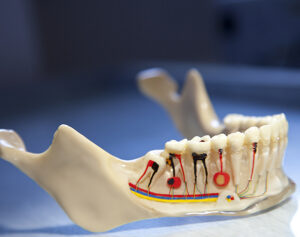
For example, in the lower jaw, we can place 4 implants and then fit a movable denture over them. Once the implants integrate tightly with the alveolar bone (osseointegration), the denture becomes relatively stable. As long as there is no gum inflammation, the service life of this restoration is much longer than that of semi-dentures, though the requirements for periodontal health are higher.
It is worth noting that traditional fixed dentures (bridges) do not have roots like natural teeth. They rely on implants placed every two or three teeth as fixed points. One risk with this method is that gaps can form between the denture and the gums, where food residues can accumulate. This can lead to gum infections and accelerate the risk of bone shrinkage. Therefore, to ensure long-term health and stability, we often recommend combining implants with removable dentures for restoration.
Final Advice
If you have lost all or some of your teeth, the first step is to have your oral cavity thoroughly checked. While a cost-effective half-denture is a viable choice, it is also very important to choose a skilled and experienced doctor to guide you through the process. By understanding your options and maintaining your oral health, you can enjoy a functional smile for years to come.