
From Bleeding Gums to Healthy Smile: How Periodontitis Treatment Works
Understanding and Treating Periodontitis: A Patient’s Guide
Welcome to this educational guide on periodontitis, a common gum disease that can lead to tooth loss if left untreated. As a patient, understanding the condition, its treatment process, and ways to speed up recovery can empower you to take control of your oral health. This tutorial-style post will walk you through the essentials step by step, based on established dental practices. Remember, always consult your dentist or periodontist for personalized advice.
What is Periodontitis and Why Treat It Early?
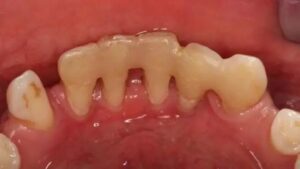
Periodontitis, often called gum disease, is an infection of the tissues that support your teeth. It starts with plaque buildup, leading to inflammation, gum recession, and bone loss. If you have chronic periodontitis, the first step is to go for a film check (like X-rays) to assess the extent of damage. Early detection is crucial because untreated periodontitis can cause teeth to loosen. For instance, if a large tooth has loosened for the third time and cannot be treated effectively, it may need to be removed to prevent further complications. Prevention and timely intervention are key—treating periodontitis early ensures that as long as your teeth are still there, there’s no problem with chewing after restoration.
For posterior teeth that require bonding or stabilization, it’s recommended to use a periodontal systemic treatment approach. This is divided into three stages: basic tooth cleaning to remove surface buildup, periodontal restoration to repair damaged tissues, and post-maintenance to control inflammation and prevent recurrence.
The Specific Process of Periodontitis Treatment: A Step-by-Step Tutorial
Treating periodontitis involves a structured, multi-phase approach tailored to the severity of your condition. Here’s how it typically unfolds, explained in simple steps so you can follow along and discuss with your dental professional.
Step 1: Initial Cleaning and Deep Scaling
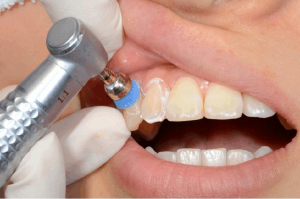
For teeth that can be retained, the process begins with a thorough teeth washing to remove tartar on the gums. This is followed by deep cleaning under anesthesia if needed. Your periodontist will scrape off tartar from the roots on both sides of the teeth, smooth the surfaces, and then observe for a period to monitor healing. During this time, they’ll evaluate the degree of bone atrophy and gingival shrinkage. If the condition is mild, no further surgery is required.
Step 2: Advanced Interventions for Deeper Issues
For cases with deeper periodontal pockets, more invasive steps may be necessary. This includes incising the gums to remove diseased tissue and any residual plaque. Connective tissue is then sutured to cover the exposed tooth roots. If there’s vertical bone resorption, guided tissue regeneration techniques can be used to encourage periodontal ligament stem cells to grow and rebuild support. Loose teeth may be fixed or splinted for stability. If extraction is unavoidable, the site can be prepared for implantation, ideally within 3 months. After treatment, you’ll need a review in about 2 months, followed by regular cleanings to avoid recurrence.
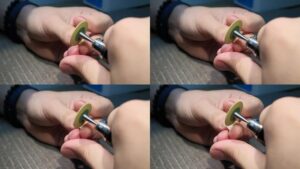
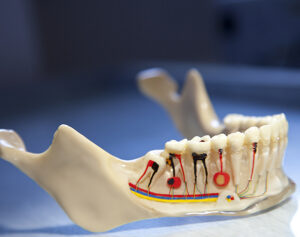
In certain periodontist treatment scenarios, especially when addressing combined endo-perio lesions where infection has spread to the tooth’s pulp, the specialist ensures precision by using proper endo files to clean and shape the root canals. This careful application of endo files helps remove infected material thoroughly, promoting better healing outcomes.
How to Shorten the Recovery Time of Periodontitis: Practical Tips
Recovery from periodontitis isn’t instantaneous—it requires ongoing effort—but you can accelerate healing by adopting good habits and following professional advice. Here’s a tutorial on key strategies to minimize recovery time and maintain results.
Tip 1: Enhance Daily Oral Hygiene
After gum recession, it’s easier for dental plaque to accumulate in exposed areas. To combat this, use dental floss after meals to remove debris gently. Avoid aggressive water flossing to prevent gum damage; instead, opt for it sparingly. If tooth gaps are large, an interdental brush is ideal for cleaning. Planning orthodontics? Treat periodontitis first before braces, as untreated disease could lead to widespread tooth loss.
Tip 2: Commit to Long-Term Maintenance
Periodontitis can’t be cured in one visit; it demands long-term cleaning and maintenance to control plaque. Your gums will be fragile post-treatment, so prioritize daily cleaning routines. Once multiple loose teeth are bonded and stabilized, you’ll regain normal chewing function—but avoid biting into hard foods to prevent stress on the repairs. Prevention is vital: treat periodontitis early. For mild cases, daily anti-inflammatory and antibacterial measures (like prescribed mouth rinses) can provide relief and speed recovery.
Final Thoughts: Take Action for Lasting Oral Health
By following this tutorial, you’re equipped to understand periodontitis treatment and actively participate in your recovery. Treating periodontitis in time not only saves your teeth but also restores full function, allowing you to enjoy meals without worry. Schedule that initial film check if you suspect issues, and maintain regular dental visits. Your smile is worth the effort—stay proactive!