
With the improvement in people’s economic lives and increased awareness of oral health, the demand for dental medical services has been growing rapidly. According to statistics, the average dental caries rate among adolescents is as high as 80%, and the average rate of periodontal disease in adults exceeds 90%. This has led to significant advancements in dental hospitals and stomatology departments, with increased investment in equipment and manpower. Among these advancements, 3D printing technology has emerged as a game-changer in the field of dentistry.
Overview of 3D Printing in Dentistry
3D printing technology is revolutionizing dental care by enabling personalized customization, optimizing medical processes, and reducing patient discomfort. This technology is being applied in various aspects of dentistry, from surgical guides to orthodontic solutions.
Applications of 3D Printing in Dentistry
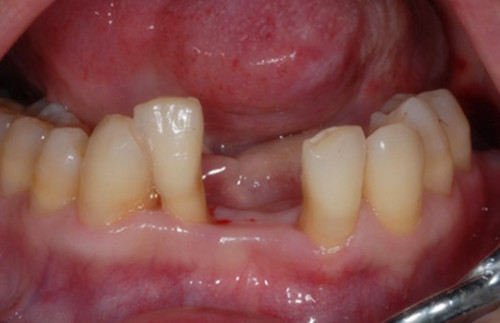
Surgical Guides: One of the key applications of 3D printing in dentistry is the creation of surgical guides. These guides, also known as 3D printed implant surgical guides or simply “guides,” are personalized surgical aids that accurately transfer preoperative virtual design implant plans to the patient’s mouth. This technology helps clinicians precisely control the position, direction, angle, and depth of implant placements during surgery. By assisting doctors in implant placement, surgical guides ensure that the final implant restoration aligns with the ideal preoperative design plan. This not only reduces surgical risks but also shortens treatment time.
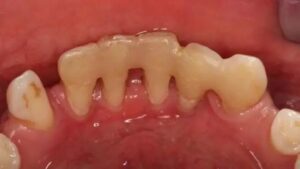
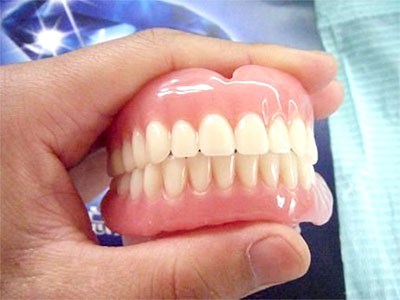
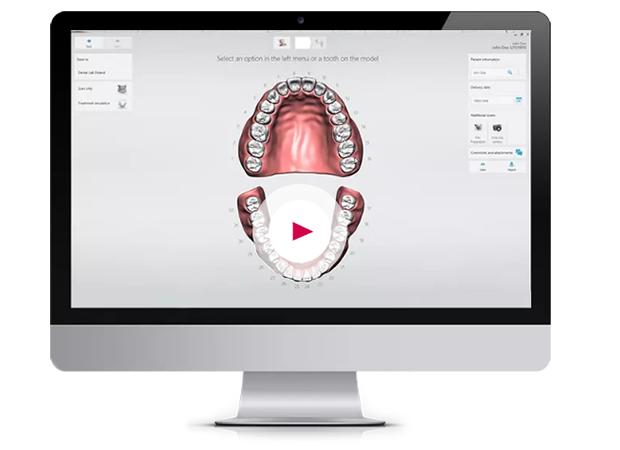
Crown and Bridge Manufacturing: Traditionally, making dentures or crowns involves mold-taking, re-molding, and manufacturing processes that are time-consuming and require a high level of craftsmanship. With 3D printing, digital scanning, and reversal casting, the production time is significantly reduced, and the risk of manual errors is minimized. This technology allows for more accurate and efficient creation of crowns and bridges, improving the overall quality of dental restorations.
Orthodontics and Aesthetic Applications: The field of orthodontics has also benefited from 3D printing technology. Treatments such as tooth veneers and invisible braces now utilize digital scanning and 3D printing to create more precise and personalized solutions. By using intraoral and facial scan data, dentists can formulate comprehensive and refined treatment plans tailored to each patient’s unique condition. This approach avoids the errors associated with traditional methods and ensures better outcomes.
Future Prospects
The future of 3D printing in dentistry looks promising. As more companies invest in this technology, we can expect to see a wider range of 3D printing materials and more advanced equipment that meets the needs of both clinics and laboratories. These advancements will further promote the development of digital medicine and enhance the quality of dental treatments.
3D printing technology is transforming the dental industry by providing more accurate, efficient, and personalized solutions. From surgical guides to orthodontic applications, the benefits of 3D printing are clear. As technology continues to evolve, we can look forward to even more innovative applications that will improve patient care and streamline dental