
In the world of orthodontics, the journey to a perfect smile is often paved with standard tools: archwires, brackets, and buccal tubes. For many patients, this traditional approach works wonders. However, what happens when a case is too complex for off-the-shelf solutions? When a tooth is severely rotated, impacted, or the patient’s anatomy presents unique challenges, the standard archwire and buccal tube simply can’t provide the precise control needed. This is where the orthodontic laboratory steps in, transforming a challenging diagnosis into a tailored, effective treatment plan.
Consider a patient presenting with a severely rotated maxillary canine. Traditional braces might struggle to engage the tooth effectively, leading to prolonged treatment times, potential root resorption, or an unsatisfactory final result. The dentist recognizes that a one-size-fits-all approach is insufficient. This is the moment the laboratory becomes an indispensable partner, tasked with fabricating a custom appliance designed to conquer the specific nuances of the case.
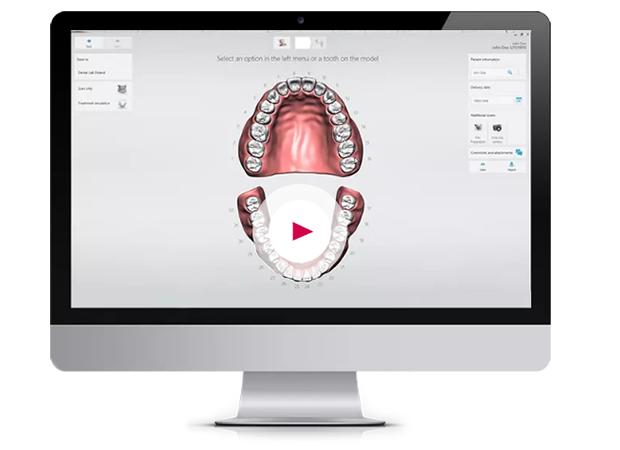
The laboratory fabrication process for such a custom solution is a blend of advanced technology and meticulous craftsmanship. It begins with a digital intraoral scan, which captures a highly accurate 3D model of the patient’s dentition. This digital model serves as the blueprint, allowing the lab technician to visualize the problem and design a solution with unprecedented precision. Using specialized orthodontic software, the technician can plan the exact path the wire needs to take, calculate the necessary forces, and design custom components, such as a specially shaped bracket or a unique wire configuration.
A critical aspect of this fabrication lies in the selection and manipulation of the orthodontic wire itself. The dentist’s treatment plan will dictate a strategic progression of wires, moving from thick to thin and from round to square, each serving a distinct purpose in the tooth’s journey to its ideal position.
Initially, a thicker wire is often employed. This robust wire provides the substantial force required for major tooth movement, such as derotating a severely displaced tooth or closing significant spaces. Its stiffness ensures that the intended forces are delivered effectively, overcoming the tooth’s resistance. As the major corrections are achieved, the treatment plan will call for a thinner wire. This more flexible wire allows for finer detailing and finishing. It can more easily follow the natural curvature of the dental arch, providing a gentler, more comfortable force that helps settle the teeth into their final, precise positions without causing undue stress.
Furthermore, the transition from a round wire to a square wire is a pivotal step in complex cases. Round wires are excellent for initial alignment and basic rotation. However, to achieve true root control and precise torque (the tipping or twisting of the tooth root within the bone), a square wire is essential. The flat surfaces of a square wire engage with the bracket slot, allowing the dentist to apply specific, controlled forces that dictate the final angulation and inclination of each tooth. This level of control is paramount for achieving a stable, aesthetic, and functional result, especially in cases where every millimeter of correction matters.
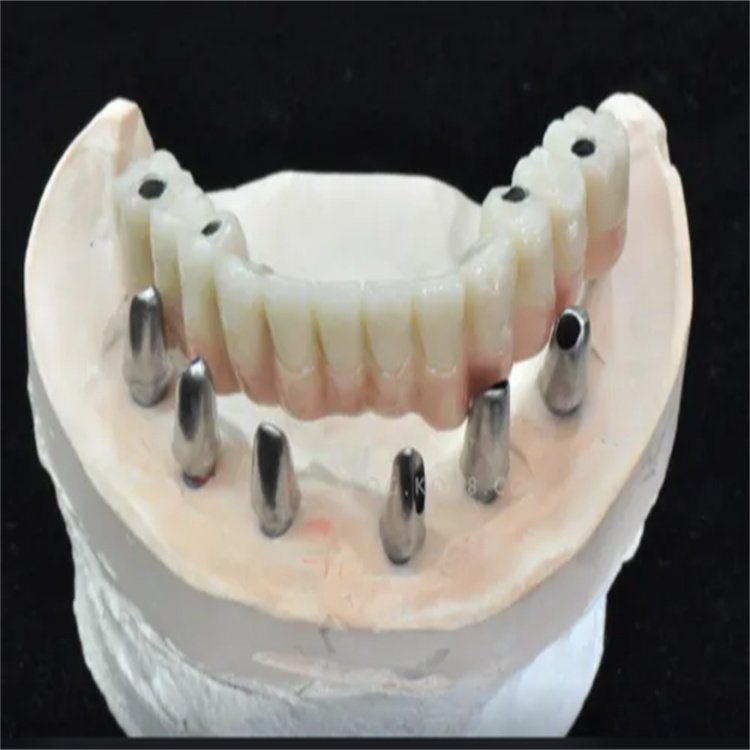
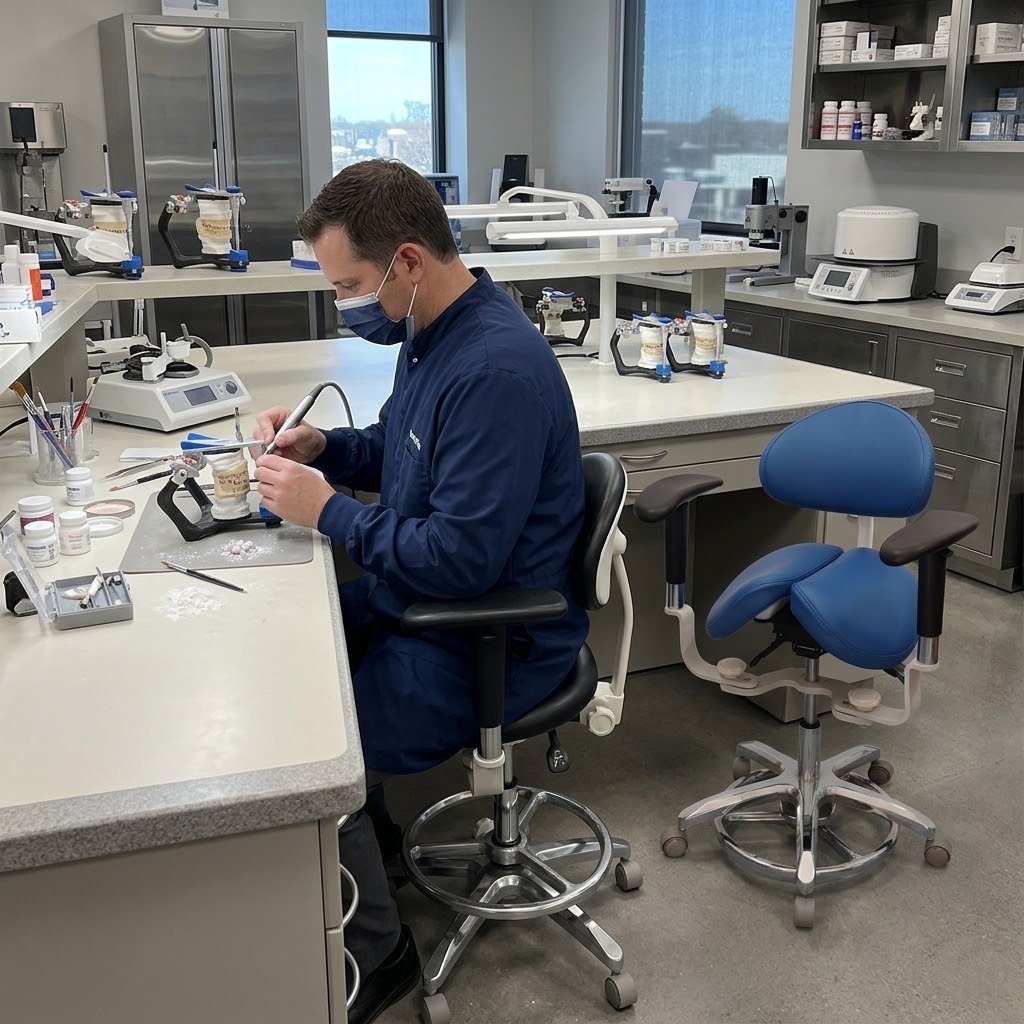
The fabrication of these custom wires, particularly when they need to be curved for strength, is where the laboratory’s expertise truly shines. A straight wire is simple, but a wire with a complex bend—a specific torque curve or an omega loop—requires specialized equipment and skill. The lab technician must use tools like a wire bender to create these intricate shapes, ensuring the wire maintains its structural integrity. In some advanced setups, a spot welder may be employed to join different segments of wire or to attach custom-made components, creating a single, robust appliance that can deliver the complex forces needed. This fabrication of curved wires is not merely for aesthetics; the curve itself is engineered to distribute stress evenly, preventing breakage and ensuring the appliance can withstand the forces of orthodontic treatment over time.
Once the custom wire is fabricated and the appliance is assembled, it undergoes rigorous quality control. The lab technician inspects the welds, checks the wire’s flexibility, and ensures the overall design matches the digital plan. The finished appliance is then sterilized and delivered to the dentist.
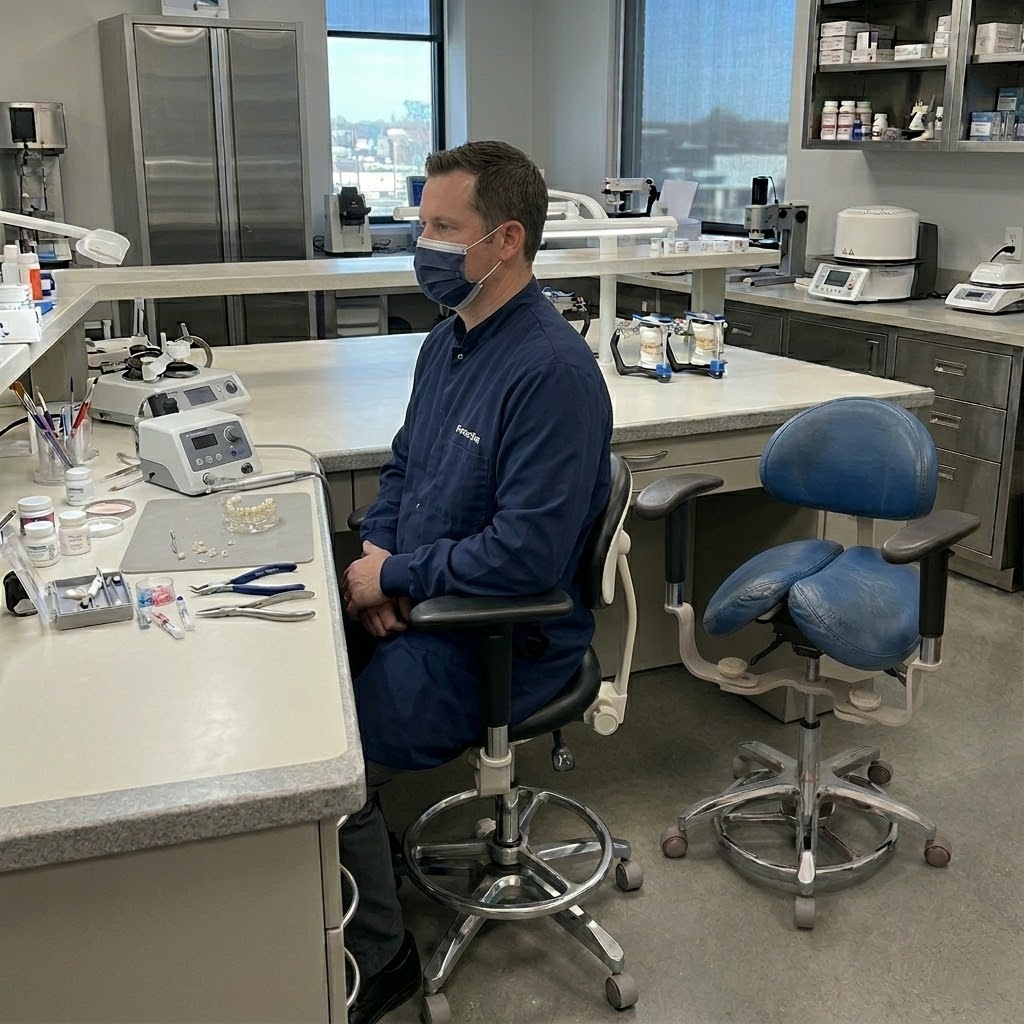
In the meticulous world of orthodontic appliance fabrication, where precision is paramount and hours are spent bending intricate wire patterns or operating a spot welder, the technician’s saddle stool is an indispensable tool for both comfort and accuracy. Its ergo-saddle design provides dynamic pelvic support, allowing for subtle shifts in posture that prevent the static strain associated with prolonged sitting, a common cause of fatigue that can compromise fine motor control. The 3D articulating armrests are particularly crucial, as they offer stable support for the forearms, eliminating shoulder hunching and micro-tremors that could disrupt the delicate manipulation of small components or the precise placement of a weld. Coupled with fully adjustable lumbar support, this specialized seating adjustable ensures that the technician can maintain optimal spinal alignment, focusing intently on the complex task of crafting custom appliances without the distraction of physical discomfort, thereby enhancing both the quality of the work and the technician’s long-term well-being.
In the clinic, the dentist will implement this custom solution. They will carefully place the appliance, and as the treatment progresses, they will follow the planned sequence: replacing the initial thick, round wire with a thinner, square wire, making precise adjustments at each appointment to guide the teeth along the predetermined path. This collaborative effort between the dentist’s diagnosis and the laboratory’s fabrication is what makes modern orthodontics so powerful.
Ultimately, the orthodontic laboratory is more than just a production facility; it is a center of innovation and problem-solving. For patients with complex dental challenges, the ability to move beyond traditional braces and archwires is a game-changer. It represents a commitment to precision, efficiency, and achieving the best possible outcomes, proving that in the quest for a perfect smile, customization is key.