

If you’ve ever hesitated before a dental cleaning appointment—wondering whether scaling might harm your teeth or create new problems—you’re not alone. Many patients have questions about this routine procedure. Let’s separate fact from fiction and explore why professional teeth scaling is not just safe, but a cornerstone of preventive dental care.
What Exactly Is Teeth Scaling?
Teeth scaling (often called “deep cleaning” when paired with root planing) is a professional procedure that removes hardened plaque—called calculus or tartar—from tooth surfaces and below the gumline. Unlike regular brushing, scaling reaches areas your toothbrush cannot, eliminating bacterial buildup that fuels gum disease.
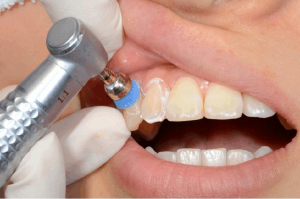
Important clarification: Scaling does not wear down healthy enamel. The ultrasonic scaler or hand instruments may create microscopic surface texture on the tooth, but this is extremely shallow and clinically insignificant—far less damaging than the bacterial toxins released by untreated calculus. After scaling, polishing smooths the tooth surface, leaving it cleaner and more resistant to future plaque buildup.
The Real Benefits of Regular Scaling
✅ Prevents and Manages Gum Disease
- For healthy patients: Regular scaling prevents gingivitis from progressing to periodontitis.
- For those with existing gum disease: Scaling removes calculus that harbors bacteria, reducing inflammation and halting further bone loss. It’s the essential first step in periodontal treatment.
✅ Restores Gum Health
After scaling, many patients notice:
- Reduced gum bleeding during brushing
- Less redness and swelling
- Decreased sensitivity over time (typically within 1–2 weeks)
- With gingivitis: gums often return to a healthy pink state quickly. With chronic periodontitis: scaling provides significant relief and stabilizes the condition.
✅ Removes Stubborn Surface Stains
While scaling isn’t a whitening treatment, it effectively removes extrinsic stains from:
- Coffee and tea
- Tobacco/smoking
- Red wine and dark foods
Result? A noticeably cleaner, brighter natural tooth surface.
✅ Supports Overall Health—Especially During Pregnancy
Hormonal changes during pregnancy can worsen gum inflammation. Scaling before conception removes calculus that could trigger “pregnancy gingivitis,” protecting both maternal and fetal health.
✅ Reveals Hidden Dental Issues
During a cleaning, your dentist examines your entire mouth—often spotting problems early, such as:
- Impacted or crooked wisdom teeth
- early cavities between teeth
- cracked restorations
Early detection means simpler, less invasive treatment.
Addressing Common Concerns: What Really Happens After Scaling?
❓ “My teeth gaps look bigger now!”
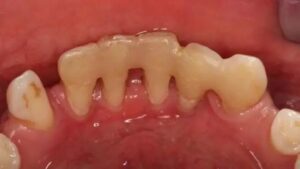
This is a frequent observation—but scaling didn’t cause the gaps. Calculus had been filling spaces where gums had already receded due to long-term inflammation. Once the tartar is removed, the true (pre-existing) gum contour is revealed. The good news? Removing calculus stops further gum and bone loss.
❓ “My teeth feel sensitive to hot and cold.”
Temporary sensitivity is normal after scaling because:
- Calculus previously “insulated” exposed root surfaces
- Gum inflammation had masked underlying sensitivity
This typically resolves within days to weeks. Your dentist may recommend: - Desensitizing toothpaste (containing potassium nitrate or stannous fluoride)
- Fluoride treatments
- Proper brushing technique to avoid further recession
❓ “Will scaling damage my enamel?”
No—modern scaling techniques are enamel-safe. The minimal surface texture created is negligible compared to the irreversible damage caused by untreated periodontitis: bone loss, tooth mobility, and eventual tooth loss.
How Often Should You Get Scaling?
| Oral Health Status | Recommended Frequency |
|---|---|
| Healthy gums | Once every 6–12 months |
| Gingivitis | Every 4–6 months |
| Periodontitis | Every 3–4 months (or as directed) |
Between visits: Brush twice daily with a soft brush, floss or use a water flosser nightly, and avoid tobacco to maximize results.
The Bottom Line
Teeth scaling doesn’t cause problems—it reveals and resolves them. The temporary sensitivity or visible gaps patients notice aren’t side effects of cleaning; they’re signs of pre-existing gum disease finally being addressed. Left untreated, calculus leads to progressive bone loss, tooth mobility, and eventual tooth loss—consequences far more serious than brief post-cleaning sensitivity.
Think of scaling not as an optional luxury, but as essential maintenance—like changing your car’s oil. It preserves what you have, prevents costly repairs down the road, and keeps your smile healthy for life.
Always consult your dentist to determine the scaling schedule best suited to your individual gum health. When it comes to periodontal care, early action today prevents complex treatment tomorrow.