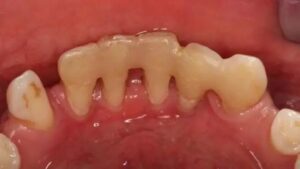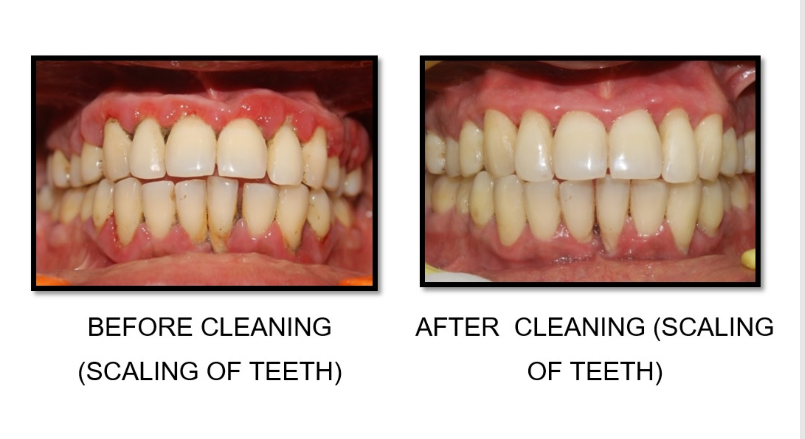


Periodontal disease (also called gum disease) is a common infection of the gums and bone that support your teeth. It starts when plaque—a sticky film of bacteria—builds up on teeth. If not removed, it hardens into tartar and irritates the gums.
Common bad habits that increase the risk of periodontal disease include:
- Poor oral hygiene: Not brushing twice a day or flossing daily lets plaque and tartar build up quickly.
- Smoking or using tobacco: Tobacco weakens your immune system, reduces blood flow to the gums, and makes infections worse.
- Aggressive or hard brushing: Brushing too forcefully can damage gums and cause them to recede.
- Grinding or clenching teeth (bruxism): This puts extra stress on gums and supporting bone, often during sleep.
- Eating lots of sugary foods and drinks: Sugar feeds harmful bacteria, speeding up plaque formation.
- Ignoring regular dental check-ups: Small problems grow into serious gum issues without professional cleaning.
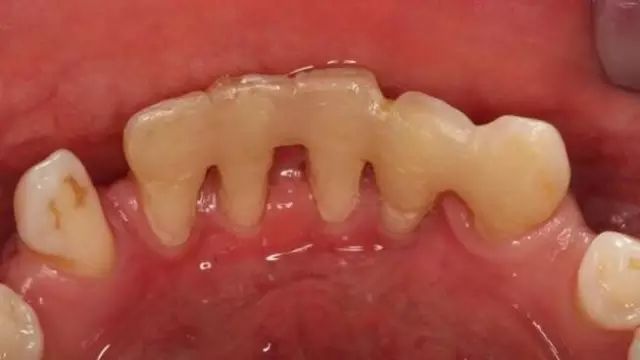
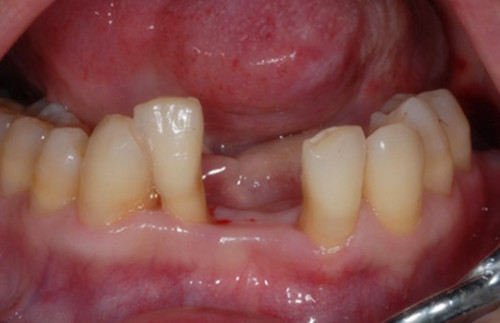
If periodontal disease advances without treatment, it destroys the bone holding teeth in place. This leads to loose teeth and, eventually, tooth loss. Yes, untreated gum disease is one of the main causes of losing teeth in adults. Early care can stop or reverse the damage.
What Causes Toothache? When Is It Most Likely to Happen?
Toothache can range from mild soreness to severe, throbbing pain. It often gets worse at night or when lying flat.
Why does pain increase when lying down? When you lie flat (especially at bedtime), blood flow to your head increases. This extra pressure on inflamed areas or sensitive nerves makes the pain feel much stronger. During the day, you’re upright and distracted, so pain may seem less noticeable.
Common situations that trigger or worsen toothache include:
- Acute pulpitis (inflammation inside the tooth): Often from deep decay; pain becomes sharp and intense.
- Food getting stuck between teeth: Residue irritates gums, causes swelling, bleeding, or congestion in sensitive gum tissue (like gingival papilla).
- Weakened immunity: Allows bacteria to flare up in gum pockets or around impacted wisdom teeth, leading to inflammation.
- Long-term biting on hard foods: This can crack enamel, expose dentin (causing soreness), or even reach the nerve in severe cases.
- Psychological factors: Focusing too much on the pain can make it feel worse (stress amplifies discomfort).
Quick Ways to Relieve Toothache Pain at Home (Emergency Measures Only)
These are temporary fixes to ease pain until you see a dentist. They do not treat the underlying problem.
- Saltwater gargle Mix about half a teaspoon of salt in warm water. Swish it gently in your mouth for 30 seconds, then spit. Repeat several times. Why it helps: It cleans residue and plaque, reduces bacteria, and soothes swelling. It’s simple and safe.
- Apply honey Dab a small amount of pure honey directly on the swollen or inflamed gum area. Why it helps: Honey has natural anti-inflammatory and antibacterial properties. It may ease pain for about 30 minutes.
- Cold compress or ice Wrap ice cubes in a cloth or use an ice pack. Apply it to the outside of your cheek near the painful area for 10–15 minutes. Why it helps: Cold reduces blood flow and swelling, numbing the area quickly. Lie down or rest while using it.
- Bite on pepper (with caution) Chew a small piece of black pepper or apply a tiny amount near the sore spot. Why it helps: It creates a numbing sensation that can temporarily mask the pain (similar to a mild anesthetic). Start small—some people find it too strong.
Important Final Step These home remedies provide only short-term relief. See a dentist as soon as possible. For example:
- Pulpitis often needs root canal treatment.
- Infections like apical periodontitis may require draining pus or other professional care.
Ignoring toothache can lead to worse infection, abscess, or even tooth loss. Good daily habits—like brushing gently, flossing, and visiting your dentist regularly—prevent most of these problems.
Take care of your smile—it’s worth it! If pain persists or worsens, seek dental help right away.