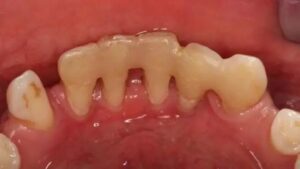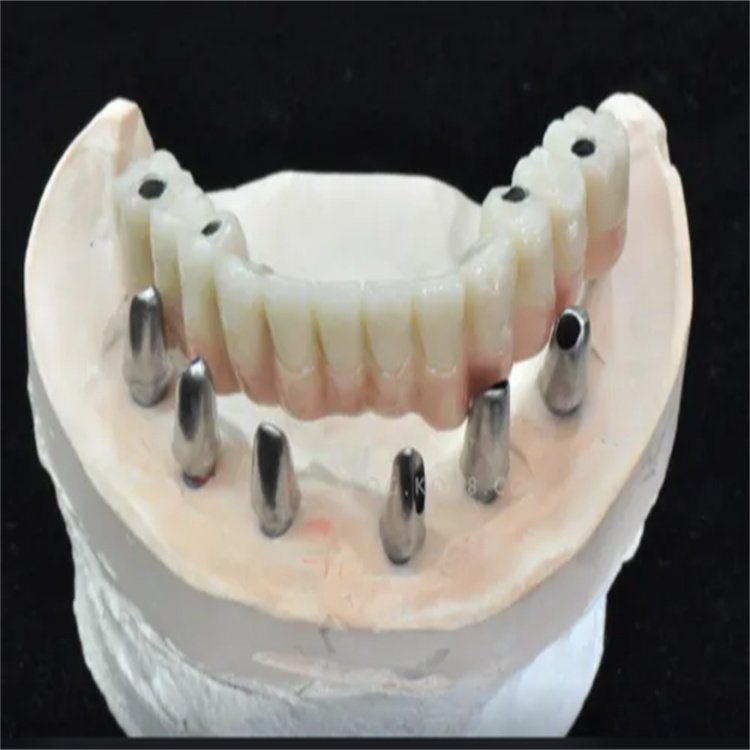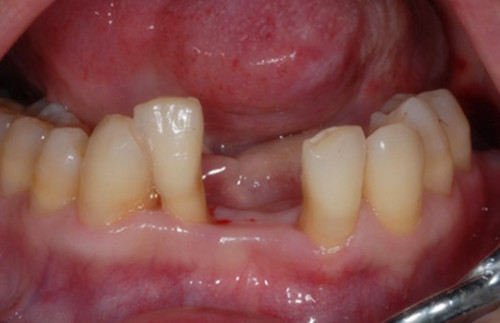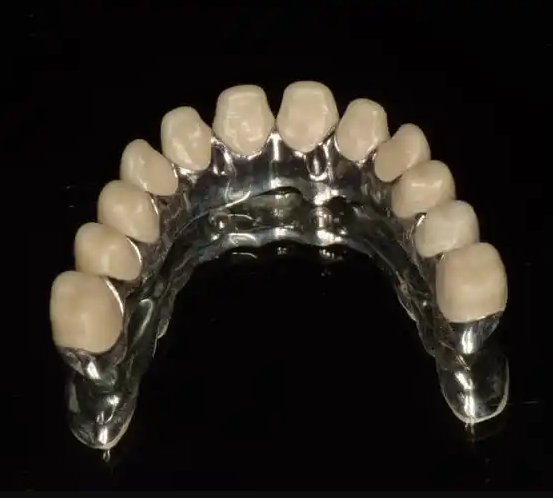
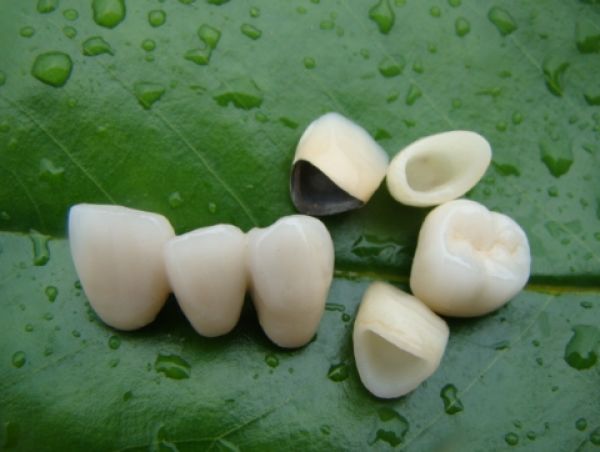

While dental implants are widely considered the gold standard for replacing missing teeth due to their independent roots, they are not always feasible for every patient. Economic constraints or specific oral health situations may make implants a less viable option. In such cases, a fixed dental bridge—often referred to as a porcelain tooth—becomes the primary choice for restoring function. It is important to understand that because a porcelain tooth lacks its own root, it cannot stand alone. It requires support, which is why two adjacent teeth must be ground down to serve as abutments. This creates a three-unit structure that is stable on both sides, effectively restoring normal chewing ability.
The Fabrication Process
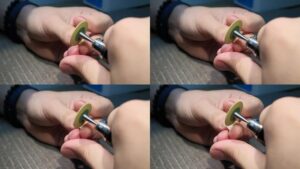
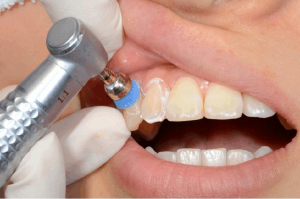
Once the dentist completes the preparation of the teeth, they will take a physical impression of your mouth. This impression is critical as it is sent to a dental laboratory for the fabrication of PFM (Porcelain Fused to Metal) porcelain prostheses. At the lab, skilled technicians utilize a set of dental lab equipment to ensure the bridge is crafted with precision, creating a custom fit that will blend seamlessly with your natural bite.
Risks and Considerations of Grinding Teeth
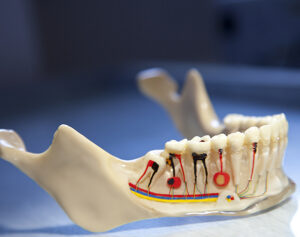
A common concern among patients is the necessity of grinding down healthy teeth. The success of this procedure relies heavily on the dentist’s technique. Generally, removing approximately one-third of the tooth structure is considered normal; removing too little can result in a crown that is too thin, causing the adhesive to fail and the restoration to loosen. However, if the grinding is too deep, there is a risk of exposing the pulp, which houses the tooth’s nerve.
While there is no discomfort if the procedure is performed correctly, some patients may experience slight sensitivity afterward. This is usually temporary and resolves as you adapt to the restoration. Using desensitizing toothpaste can help alleviate this sensitivity during the adjustment period.
Irreversibility and Hygiene
It is important to acknowledge that the process of preparing teeth for a bridge is irreversible; you cannot return the teeth to their original state. Many patients worry that grinding the teeth makes them more susceptible to rot. In reality, once the teeth are prepared, they are covered by the crown. When properly cemented, the restoration acts almost like a vacuum seal, preventing food residue from entering underneath the crown.
Regarding materials, while PFM is a traditional choice, many dentists recommend all-ceramic materials for crown restoration. All-ceramic options tend to be gentler on the gums and are metal-free, meaning they will not interfere with future MRI scans. Additionally, metal-based crowns can sometimes be prone to cracking over time.
Longevity and Maintenance
Patients often ask if the lifespan of the two healthy abutment teeth will be shortened. While the enamel is removed, the pulp remains undamaged if the grinding is performed correctly. In fact, the porcelain bridge serves to protect the abutment teeth. With proper care, the overall lifespan of these teeth is not negatively affected. You should maintain a rigorous hygiene routine that includes brushing and flossing specifically designed for bridges. Annual check-ups are essential to monitor the integrity of the restoration.
If bacteria manage to invade the space between the crown and the tooth—perhaps due to the crown and abutment not fitting closely—decay can occur. Therefore, avoiding prolonged chewing of excessively hard foods and maintaining a tight seal is vital.
The Consequences of Waiting
There are distinct pros and cons to installing porcelain teeth. While it may seem undesirable to wear down healthy teeth, the alternative of leaving a gap is often worse. If a missing tooth is left vacant for many years, the adjacent teeth may tilt toward the empty space, causing occlusal interference and bite problems. Eventually, this may require complex orthodontic correction to fix.
Conclusion
Ultimately, the decision involves weighing the permanence of the procedure against the benefits of restoration. Although the grinding process is a significant step, a properly fabricated bridge can restore comfort and function. With the right clinical technique and the use of advanced dental lab equipment, porcelain teeth can provide a durable solution that lasts for a decade or more. Even if they do not offer the same feel as natural dental implants, they effectively solve the problem of chewing and prevent the shifting of surrounding teeth.