
Tooth extraction (pulling a tooth) is a common dental procedure. People often worry about the cost, whether it hurts, and if anesthesia is always needed. Let’s answer these questions step by step.
How Much Does a Tooth Extraction Cost?
The price depends on several factors:
- The type of tooth (simple or complex).
- How difficult the extraction is.
- Your location (prices vary by city and country).
- Whether it’s a clinic, hospital, or specialist office.
In Canada (including Ontario and Toronto), here are typical ranges based on recent information:
- Simple extraction (visible, easy-to-remove tooth): $150–$300 CAD per tooth.
- Surgical extraction (impacted, broken, or harder cases): $250–$800 CAD per tooth.
- Wisdom tooth extraction: Often $200–$600 CAD per tooth for simple cases, but up to $800–$1,200 CAD or more for impacted ones. Removing all four can cost $600–$2,000+ CAD total.
Lower prices are common in smaller cities or third- and fourth-tier areas, while big cities like Toronto may be higher. Deciduous (baby) teeth or very loose teeth often cost less—sometimes just tens of dollars. Residual roots or complicated cases may cost over $100. Always get a quote from your dentist, as prices can change and insurance may cover part of it.
Does Tooth Extraction Hurt? Do You Need Anesthesia?
Most people feel nervous before an extraction, but the good news is: the procedure itself is usually not painful when done properly.
- Dentists almost always use local anesthesia (numbing injections in the gums) for regular extractions. This makes the area completely numb so you feel no sharp pain—just some pressure or rocking as the tooth is removed.
- Modern methods are minimally invasive—teeth are often sectioned and removed gently, without hammers or heavy force.
- For very difficult cases, like removing four impacted wisdom teeth at once, general anesthesia (being fully asleep) or sedation may be used for comfort and safety.
After the anesthesia wears off (usually a few hours later), some discomfort is normal. Pain is often mild if the wound is small. Swelling, limited mouth opening, or soreness can happen, especially with wisdom teeth.
What to Expect After Extraction
- Take prescribed painkillers and anti-inflammatory medication.
- Use ice packs to reduce swelling.
- Rinse gently with saltwater or an antibacterial mouthwash (like one containing chlorhexidine) after 24 hours to keep the area clean and fight bacteria.
- Swelling usually improves in a few days.
If swelling or pain gets worse after 4 days, or if you have severe throbbing pain, bad breath, or an empty-looking socket, it could be dry socket (a painful complication where the blood clot is lost). See your dentist right away for cleaning, medicated dressing, or antibiotics.
When Might You NOT Need Anesthesia?
In a few special cases, local anesthesia may not be necessary:
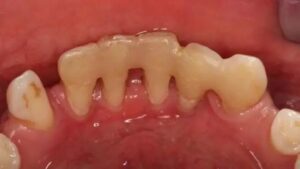
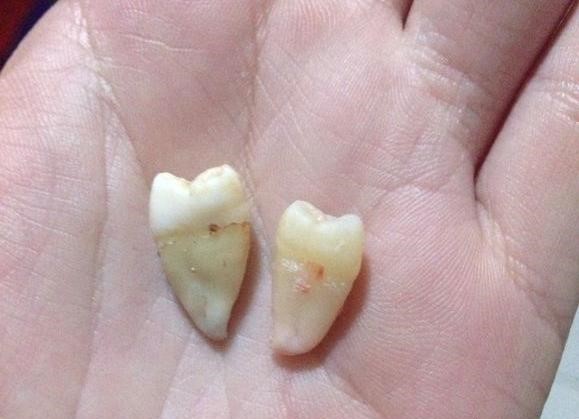
- Severely loose teeth from advanced chronic periodontitis: The gums have receded, bone support is gone, and the tooth is very mobile (third-degree loose). It can often be removed easily with forceps without numbing, as there’s little sensation left. Skipping anesthesia avoids spreading infection or toxins to nearby teeth.
- Baby teeth near the natural shedding time: If they are very loose (second-degree or more) and ready to fall out, or if decay is severe and permanent teeth are about to erupt, extraction may cause little or no pain without anesthesia. However, if the baby tooth is still firmly attached, anesthesia is used—it only numbs the gums and does not affect the child’s brain or overall health.
Key Takeaway Tooth extraction is safe, common, and usually comfortable with proper numbing. Costs for ordinary teeth are reasonable, but wisdom teeth can be more expensive due to complexity. Delaying treatment can lead to bigger problems, so see a dentist if a tooth is causing pain or issues. Good oral hygiene helps prevent the need for extractions in the first place!
If you’re facing an extraction, talk to your dentist about your specific case—they can give exact costs, explain the plan, and make sure you’re comfortable. Take care of your teeth—they’re important!