
Having a wisdom tooth removed is a common procedure, but proper aftercare is essential for smooth healing and avoiding complications. Whether you had a simple extraction or a more complex surgery, this guide walks you through exactly what to expect—and what to do—at each stage of recovery.
🩹 Part 1: Immediate Care (First 24 Hours)
The first day sets the foundation for healing. Your goal: protect the blood clot that forms in the socket. This clot is nature’s bandage—it prevents infection and supports new tissue growth.
✅ Do this:
- Bite gently but firmly on the gauze pad for 30–45 minutes to control bleeding. Replace only if bleeding continues heavily.
- Rest with your head slightly elevated.
- Apply a cold compress to your cheek (20 minutes on, 20 minutes off) to reduce swelling.
- After 24 hours, you may gently brush your teeth—avoid the extraction site. Rinse softly with warm salt water (½ tsp salt in 8 oz water) or chlorhexidine mouthwash (like Corsodyl®) after meals.
❌ Avoid for the first 24 hours:
- Rinsing vigorously or spitting forcefully (this can dislodge the clot)
- Using straws, smoking, or drinking alcohol
- Hot foods or beverages
- Touching the area with your tongue, fingers, or toothbrush
⚠️ Important: Never “rinse hard” to flush out food particles during the first few days. Aggressive rinsing can destroy the protective blood clot and lead to a painful condition called dry socket.
🧵 Part 2: Larger Wounds & Stitches
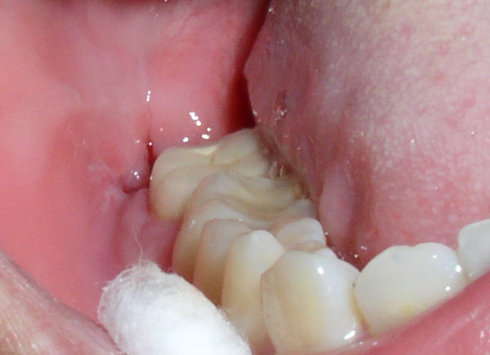
If your extraction involved cutting gum tissue or removing bone, your dentist may place stitches to help the edges heal together.
- Dissolvable stitches (often made of gut/chromic material) gradually break down over 5–10 days—no removal needed.
- Non-dissolvable stitches are typically removed after 7–10 days, once initial healing is underway.
- Stitches are placed loosely enough to allow drainage but tight enough to keep large debris out. They do not seal the socket completely—small food particles may still enter, which is normal.
Cleaning with stitches:
After 24 hours, rinse gently with salt water or chlorhexidine after meals. Do not probe the area. If food lodges deeply, let gentle rinsing dislodge it over time—never use sharp objects.
⏳ Part 3: Healing Timeline – What to Expect
Your body repairs the extraction site in stages. Understanding this helps set realistic expectations:
| Timeframe | What’s Happening | Care Tips |
|---|---|---|
| Days 1–3 | Blood clot forms; swelling peaks at 48 hrs | Rest, ice packs, soft foods, gentle rinsing after 24 hrs |
| Days 4–7 | Soft tissue begins closing; stitches may dissolve | Continue gentle rinsing; avoid crunchy/spicy foods |
| Weeks 2–4 | Gum tissue covers most of the socket | Resume normal brushing carefully around the area |
| 1–3 Months | Bone gradually fills the socket from the bottom up | Socket becomes shallower; easier to keep clean |
| 3–6 Months | Complete bone remodeling | Socket fully healed; no visible sign of extraction |
✅ Good to know: The socket heals from the bottom up, not from the sides inward. You won’t see “meat growing over the hole”—instead, new bone and gum tissue slowly fill the space until it’s smooth and flat.
⚠️ Part 4: Dry Socket – Recognize It Early
Dry socket (alveolar osteitis) occurs when the blood clot dissolves or dislodges too soon, exposing bone and nerves. It’s not an infection—but it’s very painful.
Signs to watch for (usually days 3–5 after extraction):
- Sudden increase in pain (not gradual improvement)
- Pain radiating to ear, temple, or eye on the same side
- Visible empty-looking socket with whitish bone (not a healthy red clot)
- Bad breath or unpleasant taste
- Pain relievers (like ibuprofen) offer only brief relief
If you suspect dry socket: → Contact your dentist immediately. Treatment includes:
- Gentle cleaning of the socket with sterile saline or dilute hydrogen peroxide
- Placement of medicated iodoform gauze to soothe nerves and promote healing
- Possible prescription pain medication
Prevention is key: Avoid smoking, straws, and vigorous rinsing in the first 48 hours—especially after lower wisdom tooth removal, where dry socket is more common.
🦷 Part 5: Long-Term Oral Care
- After 24 hours: Resume brushing and gentle rinsing. Clean all teeth except directly over the socket for the first week.
- After 1 week: You can carefully brush near the healing site with a soft toothbrush.
- After the socket flattens (2–3 months): No special care needed. The area becomes part of your normal gum contour—no risk of “food growing inside.”
❌ Myth alert: You do not need to “keep digging out residue” once healed. A properly healed socket has no pocket—just smooth gum tissue.
💡 Key Takeaways for a Smooth Recovery
- Protect the blood clot for the first 48 hours—no vigorous rinsing, spitting, or straws.
- Start gentle saltwater rinses after 24 hours to keep the area clean.
- Use chlorhexidine mouthwash as directed to reduce bacteria.
- Eat soft foods for 3–5 days; avoid seeds, nuts, and crumbs that can lodge in the socket.
- Watch for worsening pain after day 3—it could signal dry socket. Seek help early.
- Healing takes weeks to months—be patient. Your body is rebuilding bone beneath the surface.
🌟 Final Thought
Most wisdom tooth extractions heal without complications when given proper care. By following these guidelines—especially protecting that crucial blood clot in the first two days—you give your body the best chance for comfortable, complication-free healing.
When in doubt, contact your dentist. It’s always better to ask early than to wait through unnecessary pain.
This educational guide is for informational purposes. Always follow your dentist’s specific aftercare instructions, as individual cases may vary.