
Understanding Root Canal Treatment: A Patient’s Guide to Pain and Recovery
Tooth pain is a common part of life, but when it persists, it is often a sign that something is wrong inside the tooth. This usually happens when the outer environment irritates the inner nerves, causing the tooth to lose its normal function. If you feel this kind of pain, it is important to seek help from an endodontist immediately to cure the problem and save your tooth.
Visualizing Your Treatment
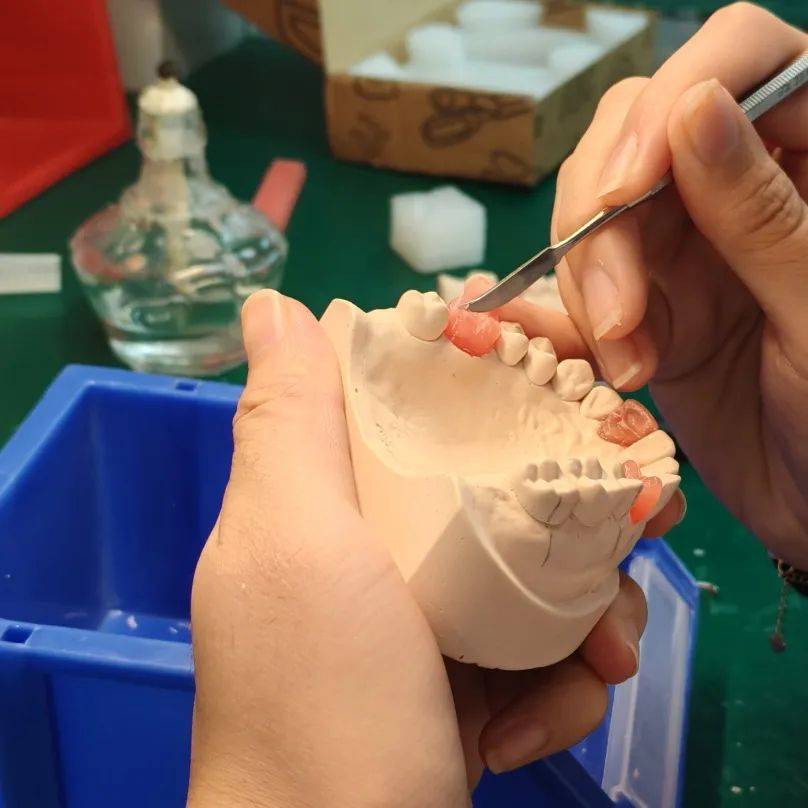
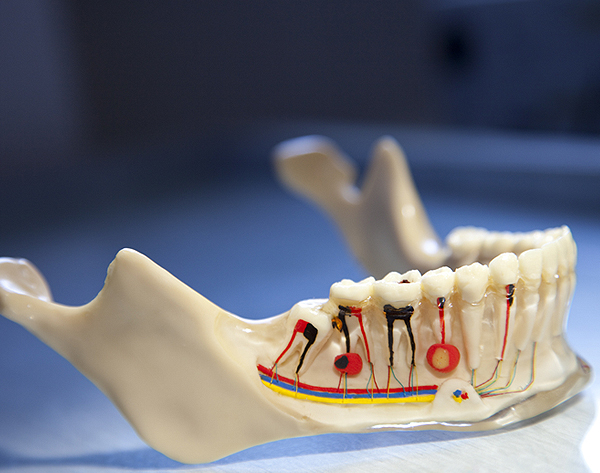
To ensure you fully understand your treatment plan, your endodontist will use a dental model to walk you through the diagnosis and procedure. These series of sequence dental model clearly displays the transition from a normal tooth structure to one where the inner nerve has become abnormal due to infection or decay. By visualizing the steps—from the action required to drill the crown and access the tooth, to the removal of the infected pulp and subsequent filling—the doctor helps demystify the process. The demonstration also explains the importance of the temporary filling and how a permanent zirconia crown will be placed at the end to restore the tooth’s strength and appearance.
The Reality About Root Canals
Root canals often have a bad reputation. Many people fear the procedure will be extremely painful or traumatic. However, the truth is much different. With modern techniques and advanced technology—such as rotary files and specialized instruments—receiving a root canal is now equivalent to getting a simple filling.
Your endodontist (a root canal specialist) will guide you through every step of the process. While infections can happen, understanding the procedure and recovery process can help you manage the situation with confidence.
When Is a Root Canal Needed?
A root canal is usually needed when a tooth becomes so decayed that it reaches the “pulp” (the life of the tooth). The pulp contains nerves and blood vessels, which are the triggers for your pain.
You might need a root canal if:
- You experience significant pain while eating or drinking hot things.
- There is deep decay that has reached the nerve.
- There has been trauma to the tooth, causing discoloration (which may indicate the tooth is dead).
- An abscess (pocket of infection) has formed, even without a large amount of visible decay.
What Is the Root Canal Procedure?
A root canal is typically performed over one or two visits to your endodontist. Here is the simple step-by-step process:
- Examination and Numbing: The specialist examines the tooth and numbs the area so you won’t feel pain.
- Access: A small opening is made in the crown of the tooth.
- Cleaning: The infected pulp is carefully removed from the pulp chamber and root canals. The space is cleaned, shaped, and prepared for a filling.
- Filling: The empty canals are filled with a biocompatible material to seal them.
- Restoration: Often, a temporary filling is placed first. Once the tooth is stable, your general dentist will place a permanent restoration, such as a zirconia crown, to protect the tooth for the long term.
Managing Infections and Pain
What If I Have an Infection Before the Procedure?
If you have an active infection before your appointment, the endodontist may prescribe antibiotics to treat it first. This is important because an active infection can sometimes block the anesthetic from working properly. Always follow your dentist’s recommendations on treating the infection before the root canal begins.
Will I Be in Pain After the Procedure?
Typically, you should not have severe pain after a root canal. Because the nerve has been removed, there will be no feeling inside that specific tooth. However, you may experience some tenderness or soreness in your jaw because your mouth was open for a period of time. This is normal and should fade quickly.
Can You Develop an Infection After a Root Canal?
It is rare, but it is possible to develop an infection months or even years after the procedure. If this happens, it could be due to:
- A hidden crack in the tooth’s root.
- A canal that was missed or left untreated (some teeth have extra, tiny canals).
- A breakdown of the sealing material over time, allowing bacteria back in.
- A defective crown or filling that didn’t protect the tooth.
If a secondary infection occurs, your endodontist will discuss retreatment. This involves removing the old filling, cleaning the canals again, and resealing the tooth. If this isn’t sufficient, a minor surgery called an apicoectomy might be performed to treat the infection from the root tip.
Conclusion
If you feel daily pain in your tooth, do not wait. Visit an endodontist as soon as possible. Early treatment can help you avoid complex surgical procedures and save your natural tooth with minimal discomfort.