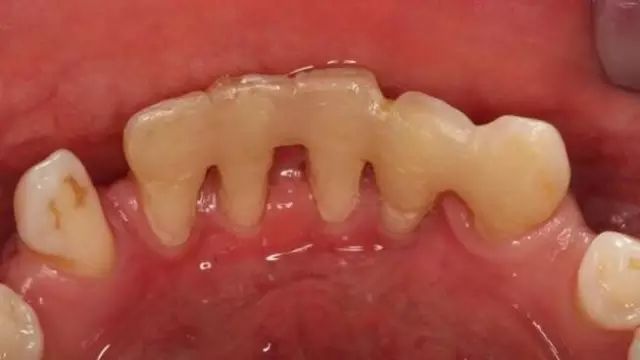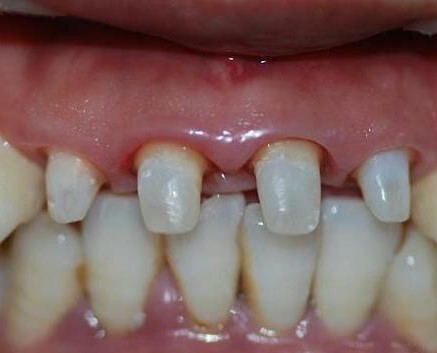
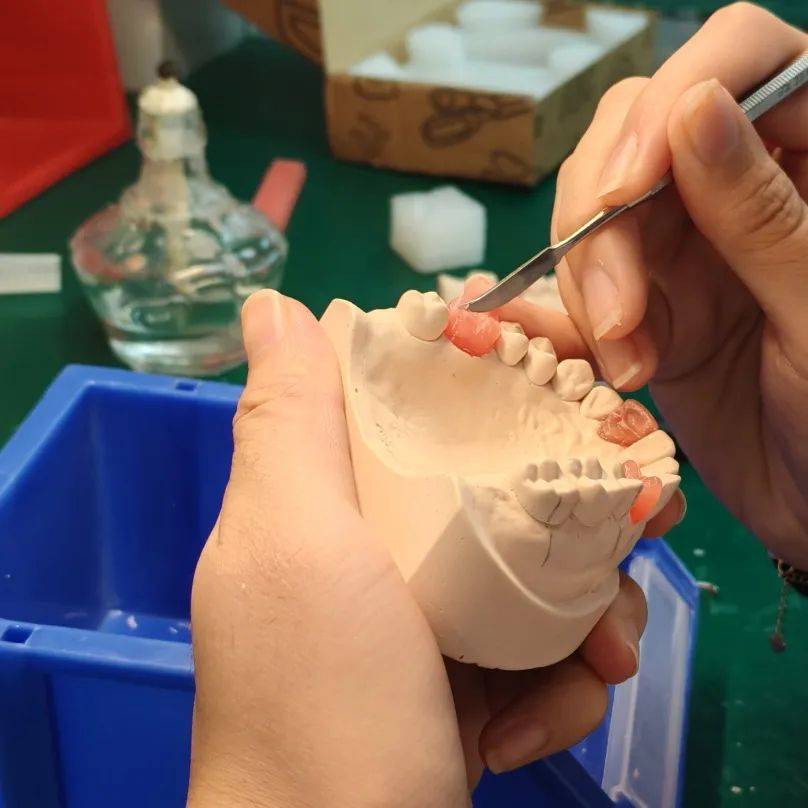

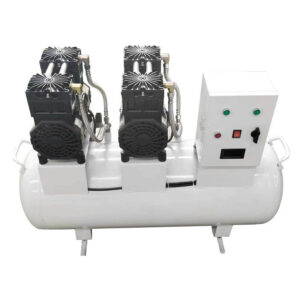
Mastering tooth structure anatomy is the cornerstone of a skilled dental technician’s work. However, even the deepest understanding of anatomy cannot produce a perfect restoration without the reliable support of the lab’s underlying utilities. One critical piece of dental lab equipment that serves as the backbone for both digital CAD/CAM and traditional lost-wax casting workflows is the air compressor.
| Application | Casting Workflow | Digital CAD/CAM Workflow | Equipment/Tools |
|---|---|---|---|
| Cooling & Debris Removal | Not applicable | Cooling milling tools, removing dust/debris | Milling machines, air guns |
| Surface Preparation | Sandblasting, micro-etching metal surfaces | Micro-etching milled restorations | Sandblasters, micro-blasters |
| Vacuum/Pressure | Vacuum investment mixing, pressure casting | Not applicable | Vacuum mixers, casting machines |
| Pneumatic Automation | Not applicable | Clamping, tool movement | CAD/CAM mills, pneumatic actuators |
| Cleaning & Drying | Drying models, cleaning wax/investment | Drying milled restorations, cleaning debris | Air guns, steam cleaners |
| Material Compatibility | Metals (Co-Cr, titanium), alloys | Zirconia, PMMA, resins, composites | All lab equipment requiring compressed air |
In the realm of digital fabrication, specifically dry zirconia milling, the air compressor plays a vital role in protecting the integrity of the restoration. As milling machines carve through materials like zirconia, PMMA, and resin, the compressor delivers clean, dry air to the spindle area. This airflow is essential for cooling the tool and workpiece, preventing overheating and micro-cracks in the final product. Additionally, for machines equipped with air-bearing spindles, this air is the force that allows the shaft to rotate with minimal friction, ensuring the precision needed to replicate complex anatomy.
Transitioning to the lost-wax casting workflow, the air compressor is equally indispensable. It powers vacuum investment mixers, which use compressed air to degas the slurry and remove air bubbles that could cause porosity in the casting. During the actual casting process, pressure-assist machines rely on this air to force molten metal alloys into the mold, capturing every detail of the wax pattern. Post-casting, the compressor drives sandblasters that remove residual investment material and oxides, while air-abrasion units micro-etch the metal surface to prepare it for porcelain bonding or adhesive cementation.
Throughout these processes, the quality of the air directly impacts the final dental lab material. Moisture or oil contamination can compromise the strength of materials or damage sensitive equipment like air bearings. Therefore, selecting the right dental lab supplies for air preparation—such as filters and dryers—is crucial. A steady supply of clean air ensures that whether you are grinding, polishing, or drying, your workflow remains uninterrupted.
Ultimately, the efficiency of a dental lab depends on integrating quality components. By carefully selecting dental lab supplies, technicians ensure the longevity of their equipment and the quality of their restorations. From the initial scan to the final polish, having access to premium dental lab supplies is key to success.
Sourced here from Dental Lab Shop, providing all essential equipment and materials on collection of dental lab supplies in on stop, from scanner, printing to PMMA blocks material.